

Fashion Brand Mistakes: Common Traps New Brands Make
Starting a clothing brand can feel exciting in the early stages. You have ideas, inspiration, color palettes, product concepts, and maybe even a first sample that makes the brand feel real. But that early momentum can also hide serious business mistakes. Many new founders believe the hardest part is coming up with a logo, choosing a product, or launching a website. In reality, the hardest part is building a clothing brand that is not only creative, but also commercially sound.
That is where many brands begin to struggle. They launch too many styles too early. They choose fabrics emotionally instead of strategically. They underprice products, overproduce inventory, ignore quality control, rush sampling, and assume social media attention will automatically turn into repeat customers. Some brands create beautiful visuals but weak unit economics. Others build strong products but unclear messaging. Some simply try to do too much before the business has earned that complexity.
The truth is that most new clothing brands do not fail because the founder lacked taste or ambition. They fail because avoidable mistakes quietly damage product quality, cash flow, customer trust, and decision-making. A few poor choices early on can create expensive consequences later, especially in apparel where inventory, fit, returns, and production timing all matter.
This guide explains the common mistakes new clothing brands make and, more importantly, how to avoid them. You will learn where founders usually lose money, why some launches feel bigger than they should, how product development mistakes lead to returns and weak margins, and what smarter brand builders do differently from the beginning.
The Competitive Reality of the Fashion Industry
The global apparel industry produces more than 100 billion garments every year, making fashion one of the most competitive consumer markets in the world.
Because of this intense competition, new clothing brands must carefully plan product development, pricing, and inventory strategies to avoid costly mistakes.
Brands that fail to build strong business foundations often struggle to survive beyond their first few collections.
What Are the Most Common Mistakes New Clothing Brands Make?
New clothing brands often struggle because they focus heavily on design but overlook important business fundamentals.
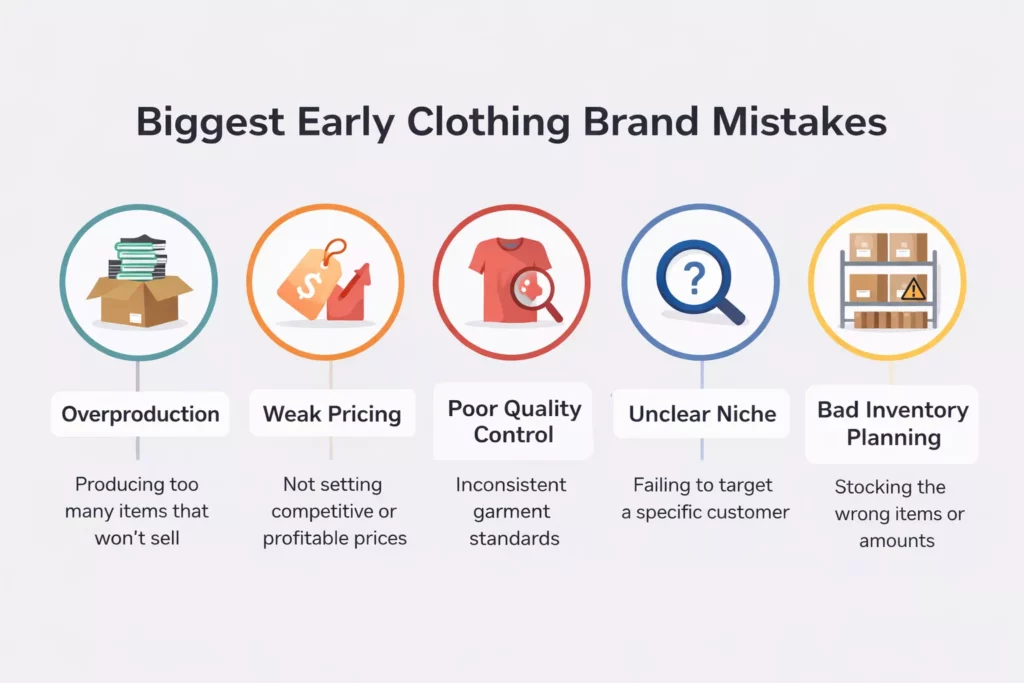
The most common clothing brand startup mistakes include:
- launching too many styles too early
- weak pricing strategy
- poor inventory planning
- unclear target customer
- low product quality control
- underestimating marketing and distribution
Avoiding these mistakes helps clothing brands build a more stable and profitable fashion business from the start.
Do Clothing Brand Mistakes Matter
Clothing brands fail when they ignore the details that shape perception: inconsistent sizing, poor quality, and mismatched messaging erode the bond with customers.
Small operational mistakes — delayed shipping, unclear returns, or weak customer service — compound into lost sales and dented trust, because modern shoppers expect reliability as much as style.
Design missteps like ignoring fit diversity, cultural context, or sustainable practices signal that a brand is out of touch, turning one-time buyers into critics on social media and review sites.
Ultimately, mistakes matter because they affect long-term equity: consistent improvements in product, communication, and ethics rebuild loyalty, while repeating errors makes recovery costly and slow. A focused commitment to consistency, sustainability, and genuine customer care transforms small fixes into durable competitive advantage.
Do Clothing Brand Mistakes Make A Difference
Clothing brand mistakes can indeed make a measurable difference, especially when errors pile up or occur at critical moments. A single misstep in quality control or a tone-deaf marketing campaign may be shrugged off, but repeated issues undermine trust and signal a lack of attention to detail.
Consumers quickly judge brands on consistency, and lapses in sizing, material, or delivery confuse buyers and drive them toward competitors. Small operational failures can cascade into larger problems for brand reputation and customer loyalty, raising acquisition costs and reducing lifetime value.
However, the impact depends on response: transparent communication and swift correction can convert mistakes into opportunities to strengthen brand identity and demonstrate genuine care. Smart brands view errors as feedback, using them to improve product, design, and service so that short-term loss turns into long-term gain.
Mistakes to Avoid When Starting a Fashion Brand
Launching a fashion brand often fails when founders ignore the importance of target audience research and try to please everyone; without a clear customer profile, design and marketing efforts become unfocused.
Another common mistake is sacrificing quality or inconsistent branding to cut costs; short-term savings can destroy long-term trust and perceived value. Neglecting a reliable supply chain or not planning for production lead times also causes delays and inventory headaches.
Finally, underestimate neither the power of smart marketing nor the risks of overexpansion — growing too fast without operational systems, adequate funding, or a solid pricing strategy results in cash flow issues. Focus on a coherent brand story, product excellence, and scalable operations to avoid these pitfalls.
Common Clothing Brand Startup Mistakes Overview
| Mistake | Impact on the Business |
| Too many styles at launch | Weak inventory planning |
| Underpricing products | Low profit margins |
| Poor fabric selection | Customer dissatisfaction |
| Weak branding | Low market differentiation |
| No inventory control | Cash flow problems |
Trying to Sell to Everyone
One of the most common mistakes new clothing brands make is building a brand for “everyone.” On the surface, this feels logical. A bigger audience seems like a bigger opportunity. But in fashion, broad positioning usually creates weak identity, weak messaging, and weaker product-market fit.
A brand that tries to appeal to everyone often ends up with unclear products, generic marketing, and forgettable storytelling. Customers do not immediately understand who the brand is for, what problem it solves, or why it deserves attention over the hundreds of other options already available. When this happens, every growth task becomes harder. Content becomes less focused. Ads become less efficient. Product selection becomes random. Even pricing becomes harder because the brand does not clearly know what market it belongs to.
Stronger brands usually begin with a more defined customer. That could be premium basics buyers, modest fashion shoppers, streetwear customers who want heavyweight silhouettes, fitness buyers who prioritize support and performance, or women looking for polished resortwear. A focused audience makes it easier to choose fabric, fit, price, colors, and content direction.
A narrow starting point does not limit your future. It gives your brand a clearer entry into the market. Many successful brands expand later, but they rarely begin by being everything to everyone.

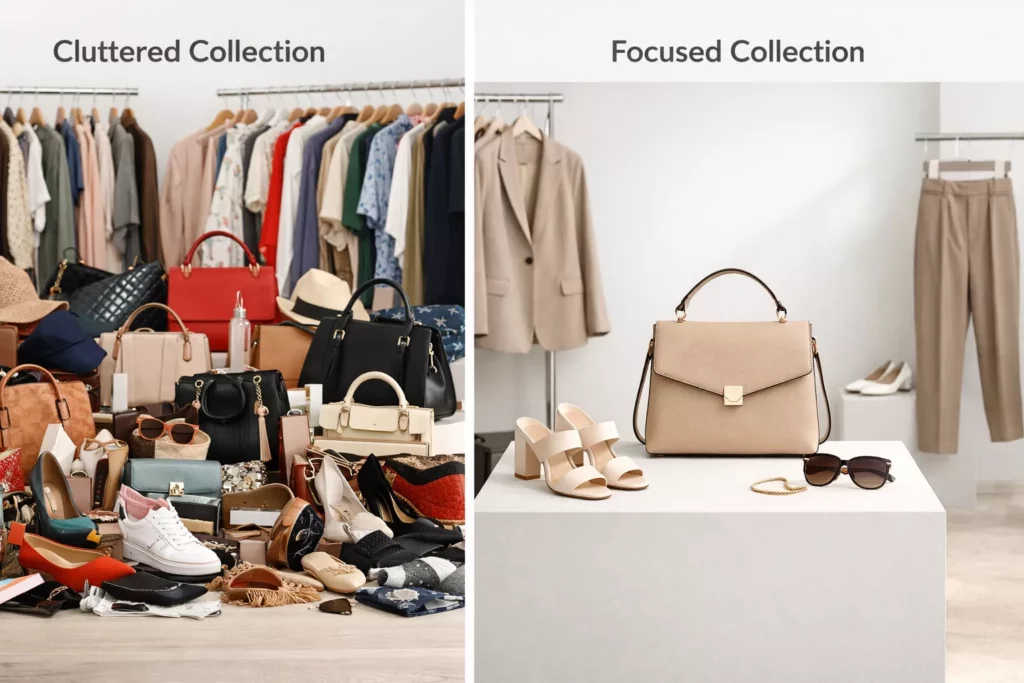
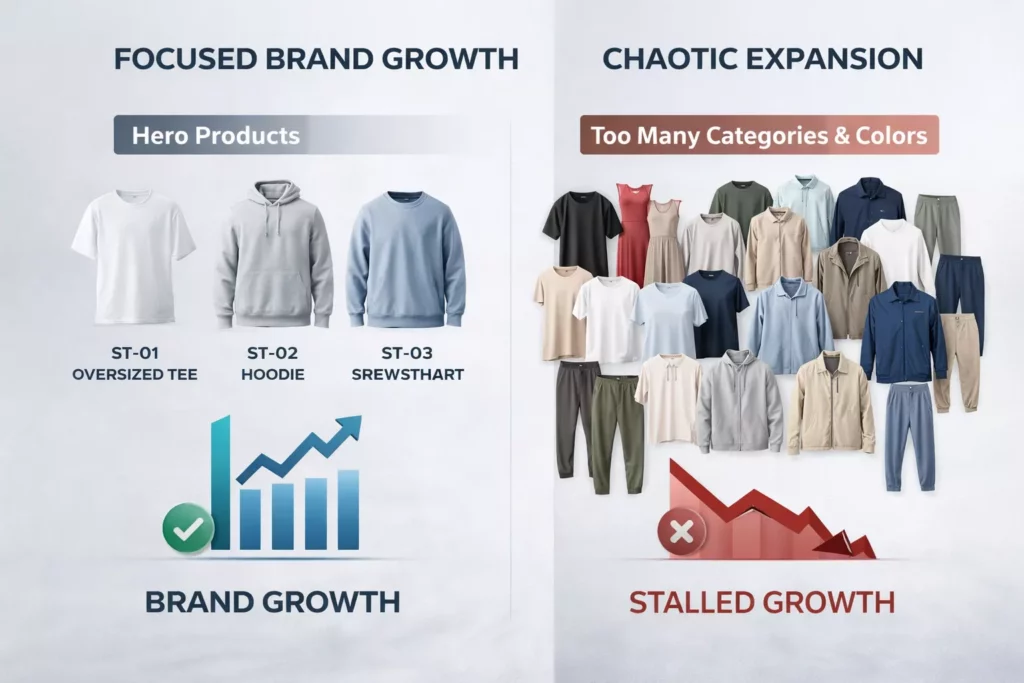
Launching Too Many Styles in the First Collection
New founders often believe a larger first collection will make the brand feel more professional. In practice, launching too many styles too early usually creates the opposite effect. It stretches budget, weakens product focus, complicates production, and makes marketing harder.
Every new style adds cost and complexity. It may require its own tech pack, sample rounds, fit comments, fabric sourcing, trim approvals, photography, product page copy, size planning, and inventory depth. When a first collection becomes too wide, the founder is forced to spread money and attention too thinly across too many uncertain bets. That often leads to weaker quality and slower decision-making.
A smaller collection usually performs better because it gives the brand one or two hero products that can carry the launch story more clearly. It also helps with fabric efficiency, content consistency, and easier inventory planning. Customers understand a focused brand much faster than a scattered one.
The strongest first collections are usually edited, not oversized. They feel intentional. The garments belong together. The story is clear. The launch is easier to explain. A brand does not need a catalog in the first drop. It needs clarity.
Not Having a Proper Tech Pack
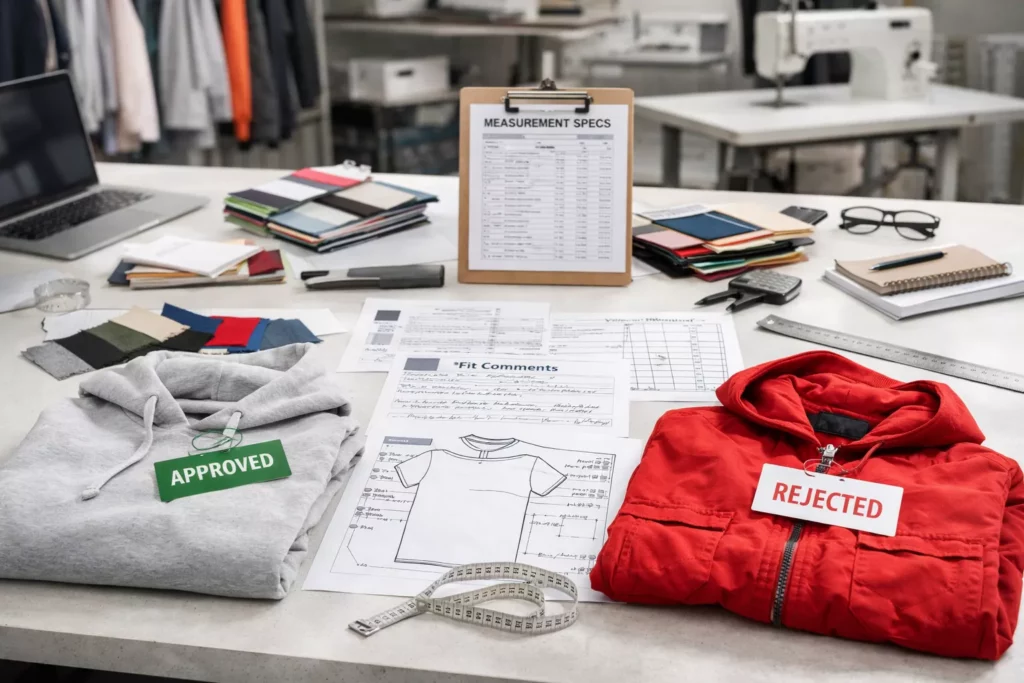
Not having a proper tech pack can cripple a fashion brand trying to scale: without precise measurements, fabric details, and construction notes, fashion brands make production decisions based on guesswork rather than specification, increasing the risk of inconsistent sizing and delays. A clear tech pack is essential when launching a new clothing line because it communicates intent to the clothing manufacturer, reducing costly back-and-forth and ensuring the finished product matches the original vision. In the fast-paced fashion industry, inexperienced designers or an entrepreneur often make the mistake of skipping this step to save time, only to discover samples that don’t fit or fabrics that behave differently in production. Every successful brand requires a standardized document to maintain quality control; otherwise, they risk inconsistent colorways, fit issues, and damaged reputation. Investing upfront in a detailed tech pack is the most reliable way to secure high-quality production and protect margins.
Choosing Products Based on Personal Taste Alone
Founders often fall in love with products they personally like wearing, but personal taste is not enough to build a strong clothing business. A founder may love oversized pieces, muted neutrals, or complex layered silhouettes, but the real question is whether the target customer wants those products enough to buy them at the necessary price point.
A product can look beautiful and still be a weak commercial choice. It may be too expensive to make, too difficult to fit consistently, too seasonal, too trend-sensitive, or too hard to explain to customers. New brands often choose products based on what feels exciting rather than what has the strongest combination of appeal, margin, repeat purchase potential, and operational simplicity.
This does not mean creativity should disappear. It means product selection should sit at the intersection of design, customer demand, and business viability. The product should reflect the brand, but it should also make financial sense. That usually means evaluating the product for margin potential, size complexity, return risk, and whether it can become a repeatable winner.
The strongest brands do not build only around what the founder loves. They build around what the market will actually support.

Ignoring Real Product Development Discipline
Many new brands underestimate how much discipline apparel product development requires. They assume a sketch, an idea, or a reference image is enough to guide a factory. That usually creates slow sampling, inconsistent quality, and avoidable confusion.
Real product development usually requires clear tech packs, accurate measurements, fabric direction, trim details, construction notes, label placement, and packaging instructions. Without that level of clarity, factories are forced to guess. And when factories guess, founders often get samples that feel “wrong” without fully understanding why. This leads to repeated revisions, wasted sample costs, and launch delays.
Another common problem is approving samples too early because the founder is in a hurry. A sample should not be approved just because it is “close enough.” If the fit is weak, the seam finishing looks rough, the fabric is off, or the silhouette does not match the brand vision, those issues usually become more expensive in bulk.
The sample stage is where many future problems can still be corrected. Once production starts, those same mistakes become inventory and return problems. New clothing brands often think they are saving time by rushing development, when they are really pushing risk forward into later stages.
Choosing the Wrong Fabric
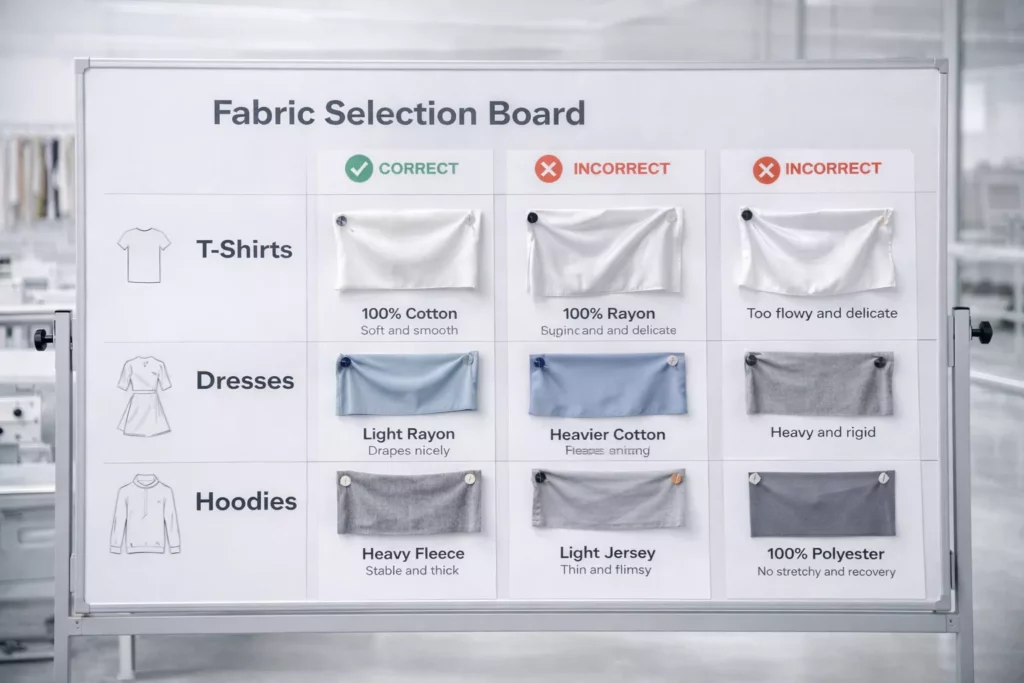
Fabric is one of the most important decisions in apparel, yet many new brands treat it like a secondary detail. They choose it because it feels nice in the hand, looks trendy, or sounds premium without checking whether it actually suits the garment, the season, the target customer, or the price point.
A fabric that feels soft on a swatch may behave badly in the final product. It may shrink too much, drape poorly, pill quickly, feel too warm, lose shape, or become too expensive once production begins. Brands often make things worse by selecting too many fabric types in the first collection, which increases sourcing complexity and raises MOQ pressure.
The right fabric should match the product category. A premium oversized tee may need a structured heavyweight jersey. A resort dress may need drape and breathability. A performance legging may need opacity, stretch, and recovery. Fabric should be chosen through function, not just emotion.
Strong brands test fabric through samples, wash behavior, shrinkage, handfeel, and category fit. Weak brands approve fabric too early and hope it will work out later. In most cases, it does not.
Underpricing the Product
Underpricing is one of the most dangerous mistakes a new clothing brand can make because it can look harmless at first. Lower prices may bring early excitement or easier first sales, but they often weaken the business quietly behind the scenes.
When a product is priced too low, the brand may struggle to cover not only manufacturing cost, but also packaging, freight, returns, payment fees, content production, customer acquisition, and future reorders. Founders often calculate from the factory quote only and forget all the other costs sitting between production and actual profit.
Underpricing also creates brand-positioning problems. If a product is meant to feel premium but is priced too low, customers may question its value. And if the business later realizes it needs to raise prices, that can create its own friction.
The goal is not to charge the highest possible number. The goal is to price in a way that supports healthy margin, believable market position, and room for normal business realities such as discounts, returns, and growth investment. Sales volume without profit is not a strong business model. It is often just pressure disguised as progress.

Overproducing Inventory Before Demand Is Proven
Many new brands assume the real business starts only when they have “enough” inventory. That thinking leads to one of the most expensive mistakes in fashion: overproduction before demand is validated.
A founder may order too deeply because they want better factory pricing, want the brand to look big, or believe every style in the first collection will sell evenly. But apparel rarely works that way. Some styles move faster. Some sizes sell unevenly. Some colors underperform. Some products turn out less popular than expected. When too much stock is tied up too early, cash flow tightens and the business loses flexibility.
Excess inventory also creates future markdown pressure. Products that do not move at full price end up discounted, which weakens margin and can damage brand perception if it becomes a pattern.
Smarter brands launch narrower, collect data faster, and reorder proven winners. They treat the first collection as a market-learning stage, not a giant inventory commitment. In apparel, inventory discipline is often one of the clearest differences between brands that survive and brands that run out of runway.

Ignoring MOQ Reality
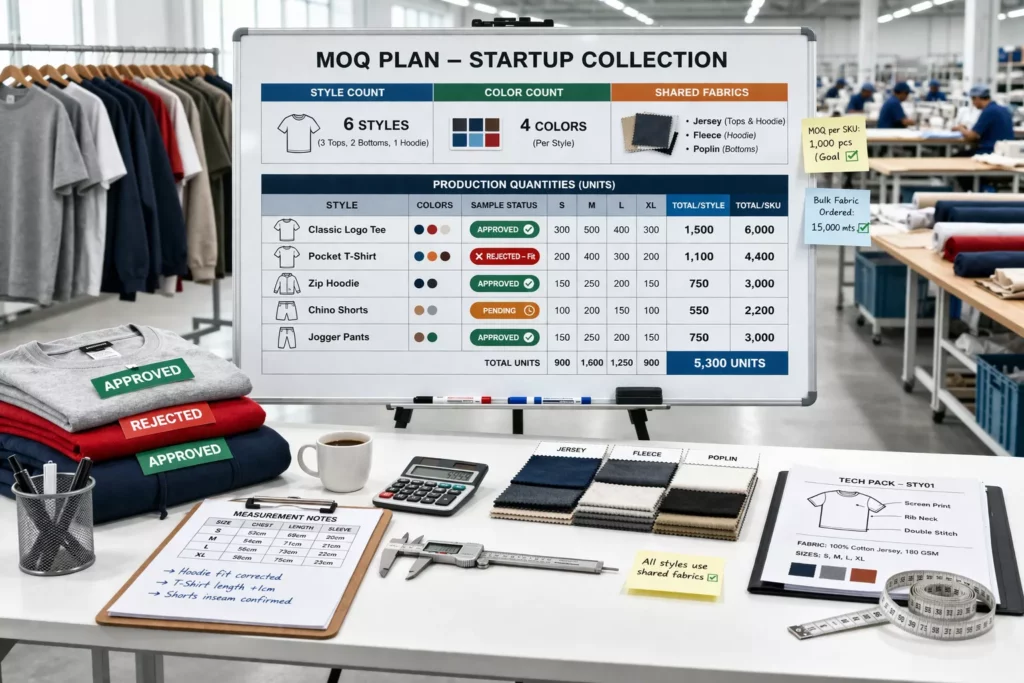
Minimum order quantity is one of the most practical forces in apparel manufacturing, yet new founders often act like it can be negotiated away without changing anything else. MOQ affects fabric choices, color count, size depth, pricing, and whether the first collection is even realistic.
A brand may want six colors of one product, but if the mill MOQ makes that too expensive or too fragmented, the plan becomes operationally weak. Another founder may try to push too many low-quantity styles through a factory that prices those runs inefficiently, then wonder why costs are high and consistency suffers.
MOQ is not just a factory detail. It is a business model input. It should influence how many styles are in the launch, how many colors each style carries, and whether fabrics can be shared across multiple pieces. The strongest first collections often work well because they respect MOQ reality instead of fighting it.
Brands that ignore MOQ usually pay for it through higher cost, slower development, unnecessary complexity, or stock they did not really want. Smarter brands build the collection around sourcing logic from the beginning.
Weak Quality Control
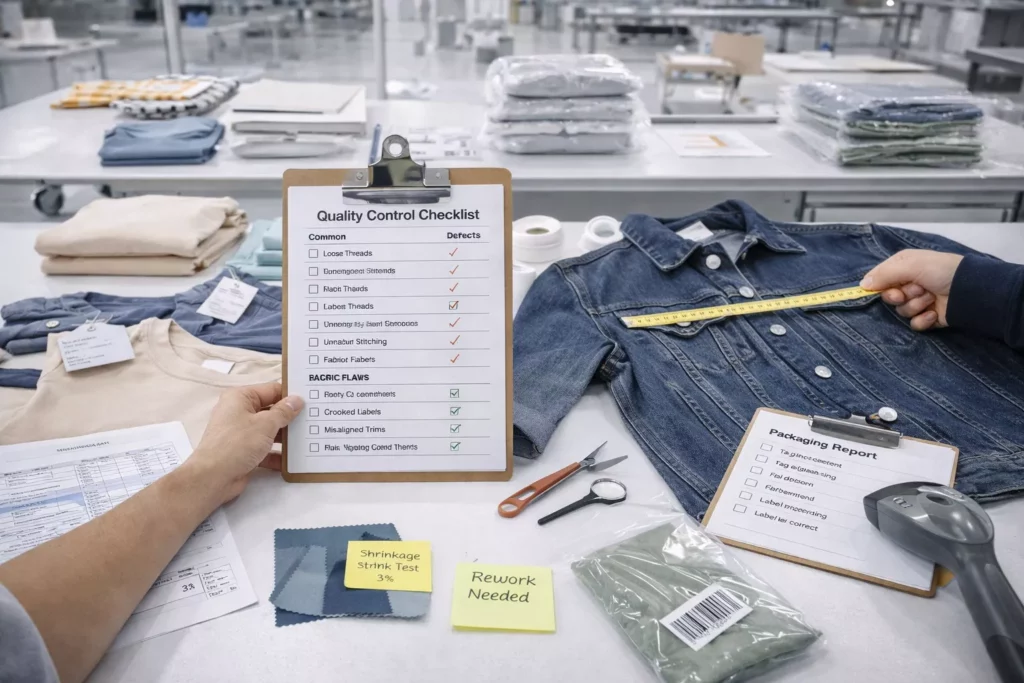
A new clothing brand may believe quality control is something only large factories or major retailers worry about. That is a mistake. Small brands often need even stronger quality discipline because they have less margin for error and less brand trust to fall back on.
Weak quality control appears in many forms: inconsistent measurements, loose threads, poor stitching, bad print placement, incorrect labels, shade variation, missing trims, and garments that pass a quick visual check but fail in real wear. These issues create returns, bad reviews, and customer hesitation to order again.
Strong quality control starts before final inspection. It includes fabric testing, sample approval, shrinkage checks, measurement control, and clear communication with the manufacturer about what is acceptable and what is not. Founders who do not define quality standards clearly often discover too late that the factory used a different standard entirely.
A customer may forgive a late package once. They are much less likely to forgive a garment that looks disappointing the moment they open it. In fashion, product trust is hard to build and easy to lose.
Not Testing Wash Performance and Shrinkage
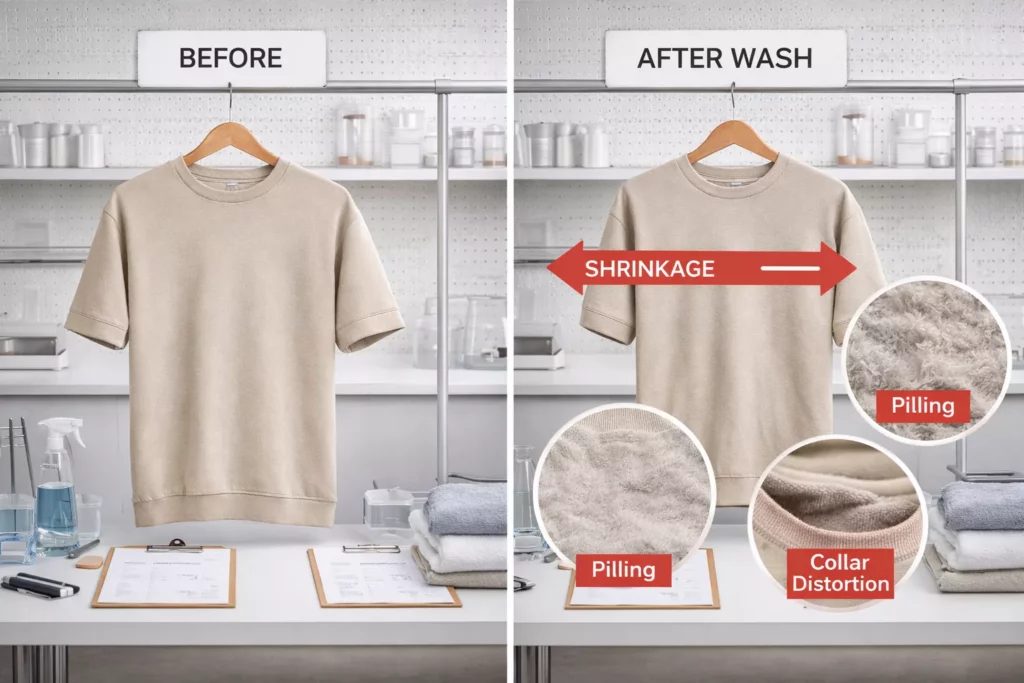
A garment can look excellent before production and still fail after the first wash. This is why ignoring wash behavior is one of the most frustrating mistakes new clothing brands make. The problem is especially common in cotton knits, fleece, rayon-based fabrics, and any category where fit stability matters.
If a t-shirt loses length after washing, if a fleece hoodie shrinks more than expected, or if a dress twists or becomes rough after laundering, the customer sees the product as low quality even if it looked beautiful out of the package. At that point, the issue is no longer technical. It is commercial.
Brands should test for shrinkage, pilling, colorfastness, and overall wash behavior during development. This matters even more when the product claim is premium, because premium pricing raises performance expectations. Customers do not care whether the factory skipped a test. They care whether the garment still feels good after wear and care.
Strong product development includes real-life performance checks. Weak brands assume the product will be fine because the sample looked good once.
Weak Branding and Generic Positioning
Some new brands think having a logo is the same thing as having a brand. It is not. A clothing brand is the full perception customers build around your product, your story, your visual world, and the consistency of your offer. Without that, even a decent garment can feel generic.
Weak branding usually sounds like this: “We make quality clothing for everyone.” That is not memorable. It does not tell the customer why the brand exists, who it is for, or what makes it different. In a crowded apparel market, vague branding creates weak conversion because nothing about the offer feels specific enough to grab attention.
Strong branding is not just about looking expensive. It is about making the customer feel that the brand understands them. That can come from fit philosophy, category focus, fabric story, aesthetic discipline, tone of voice, or a clear point of view about style and use.
New clothing brands often struggle because they build product and visuals, but do not build identity. Customers may like a post or visit the site, but they do not remember the brand later. In most cases, that means the brand message was not clear enough.

Lack of Marketing Strategy
New fashion entrepreneurs often make the mistake of launching a fashion brand without a marketing strategy, assuming that a great clothing line or partnership with a clothing manufacturer will sell itself; this pitfall is one of the common mistakes new fashion brands make because a brand requires careful planning to build brand awareness and protect every piece of the product and brand.
Many fashion startups try to do everything and try to do everything at once, which reduces chances of success; instead, emerging brands should develop a comprehensive business plan and a focused marketing plan that defines the target audience, selects the right supplier, and partners with the right influencer.
A comprehensive business plan that includes compliance with ethical and quality standards helps avoid the common pitfalls many fashion brands make when launching a fashion brand, ensuring the brand’s every aspect of the brand is cohesive and high-quality, which greatly improves the chances of success for the new business.
Ignoring Branding: Building a Strong Identity for Your Clothing Line
Launching a clothing line without a plan invites many fashion mistakes; without a plan and failing to develop a comprehensive business plan are among the mistakes new fashion brands make. Emerging brands must recognize the mistakes fashion brands make, from skimping on a marketing plan to ignoring compliance with ethical and quality and ethical and quality standards. A clear roadmap helps avoid costly mistakes and shows fashion entrepreneurs how to allocate budget to marketing strategies and resources for manufacturing so the product and brand align.
Any new business must treat the brand is one idea seriously: the brand’s identity should inform every aspect of the brand, from packaging to policy. Recognizing common pitfalls that many fashion startups fall into will help avoid wasted effort, and following best practice lets emerging brands build brand awareness and build brand longevity when launching a fashion brand. Understanding what mistakes to make and how to avoid them is essential for fashion startups to thrive.
Assuming Social Media Alone Will Build the Brand
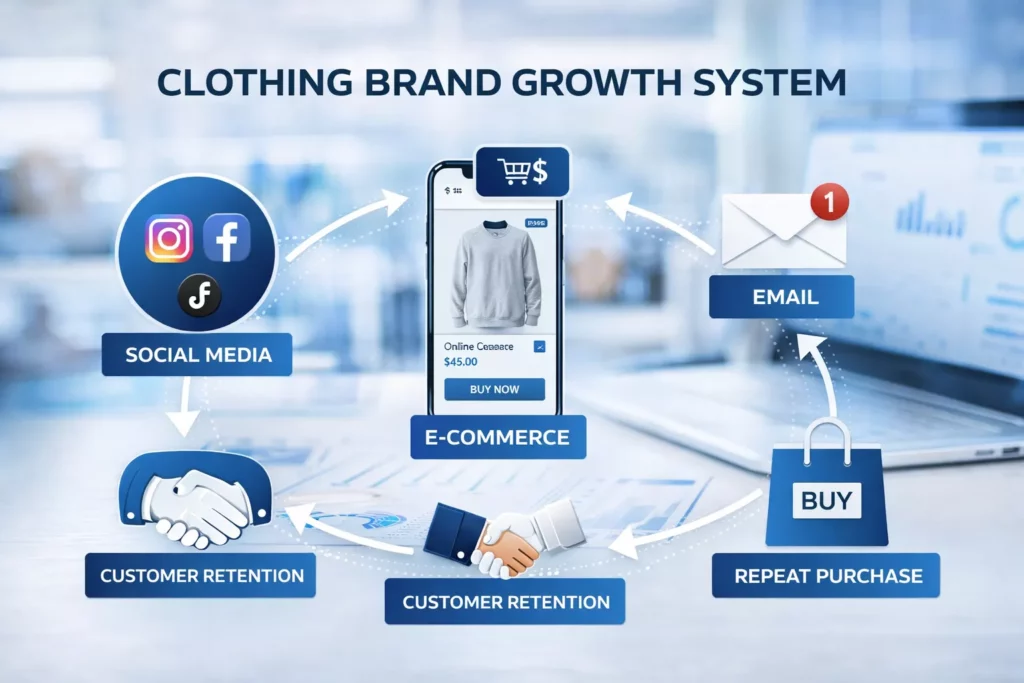
A lot of new founders think posting consistently on social media is enough to grow a clothing brand. Social media can absolutely help, but it is not a complete business model by itself. Attention is not the same thing as conversion, and followers are not the same thing as a sustainable customer base.
Brands that rely only on social posting often struggle when organic reach drops or content momentum slows. They may get likes, comments, and occasional viral moments, but no reliable system for repeat sales, customer retention, or owned audience growth. If the brand has no email strategy, weak website conversion, and unclear post-purchase flow, it becomes very hard to turn attention into a stable business.
The strongest clothing brands usually build across several systems:
- brand content
- ecommerce clarity
- email capture
- retention marketing
- product education
- customer trust signals
- paid testing where appropriate
Social media is useful, but profitable growth usually comes from a full customer journey. New brands that understand this early avoid one of the most common traps in modern fashion.
Not Defining Your Target Market
Failing to define your target market leaves your business chasing vague goals and wasting valuable resources; without a clear audience, marketing efforts scatter across channels and produce low conversion rates. This lack of focus means product features, pricing, and messaging rarely resonate, because they’re not tailored to real customer needs or behaviors.
When you don’t segment and prioritize who you’re trying to reach, your team struggles to measure success or refine strategies, creating inconsistent brand experiences and missed opportunities for loyal customers. Defining a precise target market enables better allocation of time and budget, sharper messaging, and product decisions that solve specific problems. Investing time up front to identify demographics, pain points, and channels pays off with higher engagement, more efficient campaigns, and stronger growth trajectories. Neglecting that step keeps efforts generic and largely ineffective.
Underestimating Production Costs
Underestimating Production Costs is a common error that erodes profit margins and disrupts timelines when hidden expenses like setup fees, quality rework, and logistics are overlooked. Project leaders who ignore realistic quotes, fail to include contingencies, or rely on optimistic unit-cost projections often face cash flow shortfalls, delayed launches, and strained supplier relationships.
To avoid these pitfalls, build detailed cost models that include variable and fixed costs, buffer for unexpected supplier delays, and validate assumptions with multiple quotes and pilot runs. Regularly updating forecasts as production moves from prototype to scale and maintaining transparent communication with finance and operations helps convert a vulnerable budget into a resilient plan, preserving margins and reputation.
Weak E-commerce Experience
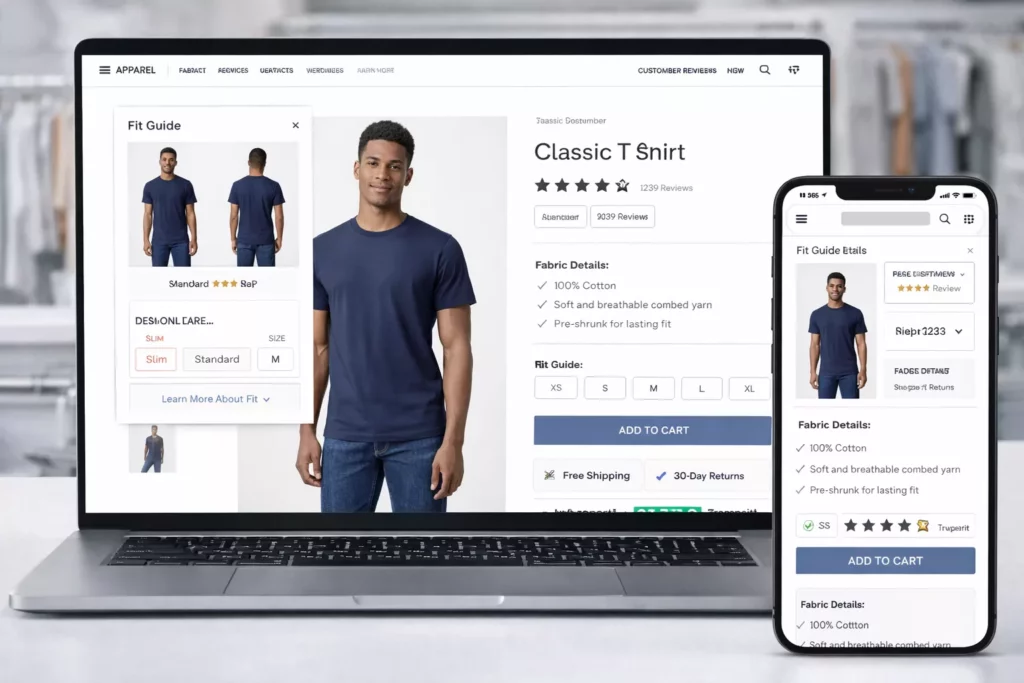
Some founders invest heavily in the product and then launch with a weak website. That creates a major disconnect. A potential customer may be interested, but poor product pages, unclear size guidance, weak photos, or confusing navigation make the purchase feel risky.
A weak ecommerce experience usually includes problems like:
- vague product descriptions
- missing fit guidance
- poor quality imagery
- unclear shipping and return policies
- weak mobile experience
- no trust signals
- no product storytelling
In apparel, online customers cannot touch the garment. That means your website has to do more work. It needs to answer the questions customers would ask in person: How does it fit? What does the fabric feel like? Is it oversized or true to size? Is it lightweight or dense? How do I wash it? Can I return it?
When the site does not answer those questions well, conversion drops and returns often increase. The product may be good, but the ecommerce experience makes it feel uncertain. New brands that treat their site like a real selling environment instead of a digital poster usually perform better.
Not Planning for Returns and Exchanges
Many new clothing brands think about making and selling products, but not about what happens when a customer wants to return or exchange one. That is a major blind spot, especially in apparel where fit, feel, and expectation mismatch can easily create post-purchase friction.
Returns affect profit directly through:
- reverse shipping
- handling time
- lost payment fees
- damaged resale potential
- slower cash recovery
But they also affect the brand indirectly. A customer who has a confusing or frustrating return experience may not come back, even if the product itself was decent.
This does not mean brands should build their model around fear of returns. It means they should reduce preventable returns through better fit information, clearer product presentation, stronger QC, and more realistic descriptions. And they should also know how returns will be handled before the first order ships.
Brands that ignore returns often think they are protecting margin, but in reality they are usually just delaying a problem that customers will force them to confront later.

Skipping Customer Feedback and Data Review
A surprising number of new clothing brands launch, see some sales, and continue making decisions based on instinct rather than actual customer behavior. That slows learning and increases repetition of weak choices.
Early customer feedback can tell you a lot:
- which styles are most loved
- which sizes are causing issues
- whether the fabric met expectations
- whether the price felt justified
- whether customers want more color options
- whether product pages were clear enough
- what caused hesitation or returns
This kind of information is extremely valuable in the first months because it helps shape reorders and future collections. Without it, founders often make the same mistakes again because they are still guessing.
The strongest brands treat launch not as a final statement, but as the beginning of a feedback loop. They study what worked, what did not, and what repeated customer comments reveal. They do not interpret every criticism as a failure. They use it to refine the business.

Growing Complexity Faster Than the Business Can Support
One of the most dangerous patterns in early fashion is premature complexity. A brand gets a little attention or a few decent sales and immediately tries to expand into more categories, more colors, more sizes, more fabrics, more channels, and more campaigns. That often creates stress instead of growth.
Complexity increases:
- development time
- inventory pressure
- cash flow risk
- production difficulty
- content workload
- customer confusion
- quality-control risk
What looks like growth can actually be overextension. A brand may think it is evolving, but in practice it may be weakening its strongest products by spreading energy too thin. Some of the most profitable apparel businesses grow because they double down on proven winners instead of constantly chasing newness.
The business should earn complexity. It should come after the brand has clearer data, stronger systems, and enough margin to support broader decisions. Growth is not only about adding more. Sometimes it is about becoming more disciplined with what already works.
Not Building a Real Business Model
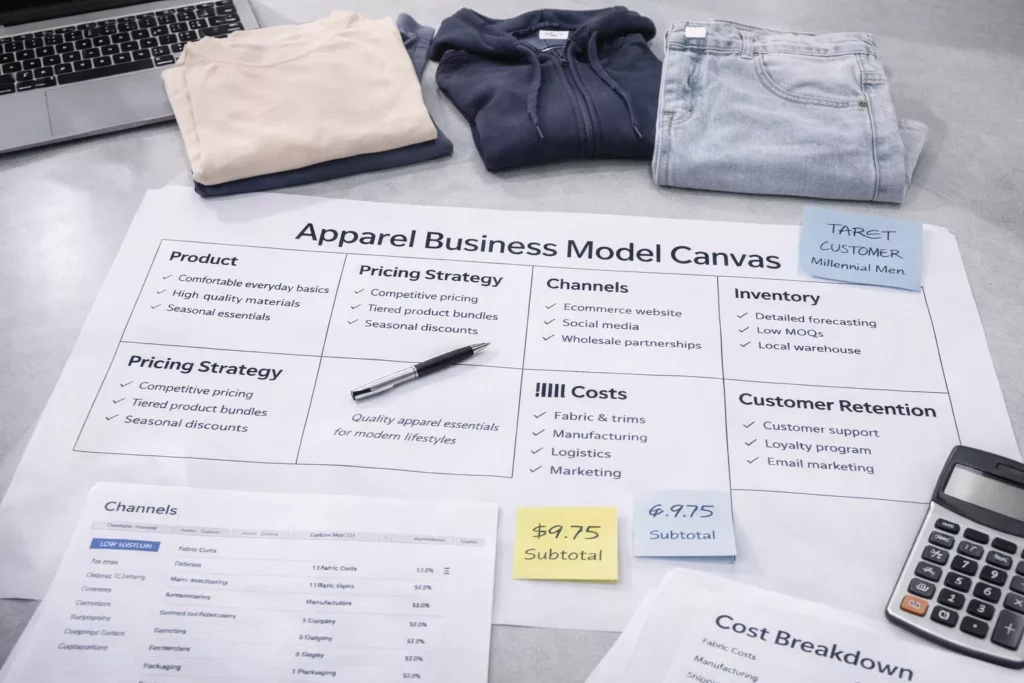
At the root of many early mistakes is one bigger issue: the founder has a clothing concept, but not a real business model. They know what they want to make, but not how the brand will stay profitable.
A real apparel business model should answer:
- who the customer is
- what product solves for them
- how the brand makes money
- what the margin structure looks like
- which channel drives sales
- how inventory will be funded and reordered
- how marketing will work
- how the customer returns and buys again
Without those answers, the brand becomes reactive. Pricing is improvised. Inventory is emotional. Product development is disconnected from margin. Marketing is inconsistent. The business can still launch, but it usually feels fragile.
This is why some brands with average designs survive while others with stronger aesthetics disappear. The difference is often business structure. Apparel is creative, but it is also operational. A profitable clothing brand usually respects both sides from the beginning.
Not Crafting a Clear Roadmap for Your Fashion Startup
Failing to craft a clear roadmap can leave a fashion startup scattered, unable to prioritize effective strategies such as social media alongside traditional outreach like email marketing, and unsure how much of a portion of your budget to allocate to each channel. Without milestones and measurable goals you won’t stay on track, making it harder to identify which campaigns actually reach the audience you want to reach.
A strong roadmap forces you to use social channels deliberately, create promotions based on customer behavior, and set KPIs that rewards those who combine creativity with data-driven tactics. In short, lacking a clear plan risks wasted resources, missed opportunities, and a brand that drifts rather than grows — so document your priorities and budget allocation early to build momentum and sustainable growth.
Not Working with a Trusted/Compliant Factory
Not working with a trusted/compliant factory is a pitfall to avoid when starting a global fashion brand, because without a clear supply chain partner the design and production process becomes unreliable and disrupts your cash flow projection and cash flow issues. Even one of the most exciting parts of launching a successful label — getting product to market — can fail if you lack choosing the right manufacturer who follows compliance, forcing constant adjustments to your plan that includes a realistic timeline and includes a realistic budget.
Failing to partner with a compliant factory also undermines marketing strategies such as social outreach on social media platforms and social media advertising, complicates inventory management software sync, and reduces your profit margin analysis accuracy. For brands, defining your target customer and choosing vendors go hand-in-hand; avoiding these common mistakes is covered in many frequently asked questions for entrepreneurs seeking to create a cohesive business model.
What Are The Biggest Fashion Mistakes?
One of the biggest fashion mistakes is poor fit; wearing garments that are too tight, too loose, or ill-proportioned can undermine even the most expensive pieces and hide your shape instead of flattering it.
Another common error is overaccessorizing or mismatched accessories — piling on jewelry or combining conflicting patterns distracts from a cohesive look and creates visual clutter. Equally damaging is clinging to outdated trends or ignoring the context: a style that works on a runway may not suit your lifestyle or the occasion.
Finally, neglecting proper maintenance (wrinkled, stained, or poorly cared-for clothing) and wrong footwear choices can ruin an outfit. Focus on fit, balance, context, and care to avoid these missteps and build a versatile, confident wardrobe.
How New Clothing Brands Can Avoid These Mistakes
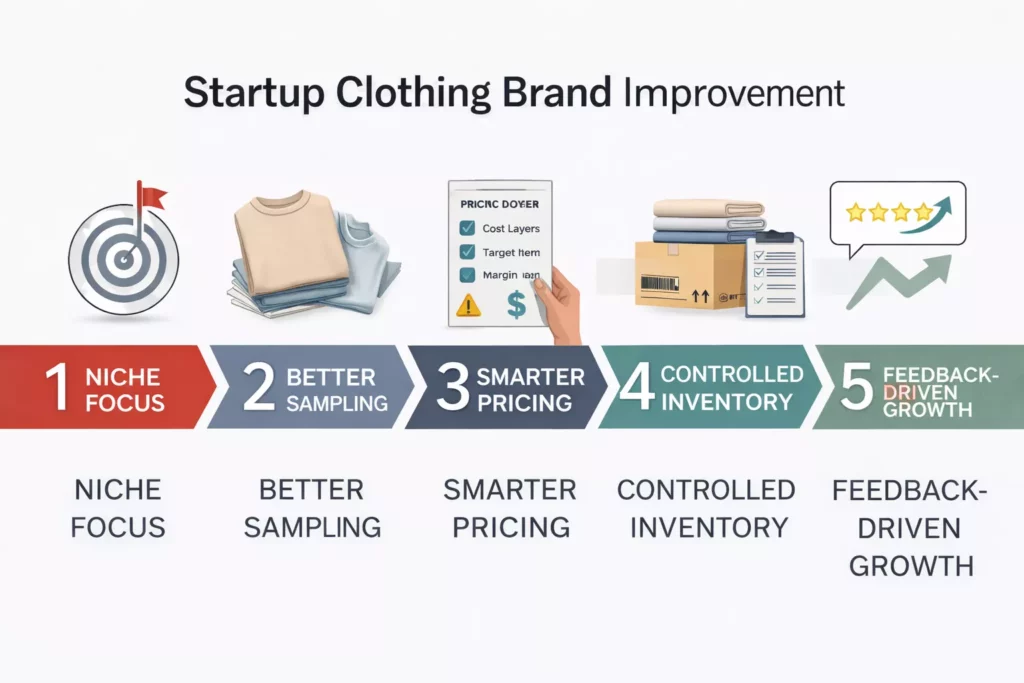
The good news is that most of these mistakes are preventable. New clothing brands do not need perfect knowledge before launch, but they do need a more structured process.
A stronger path usually looks like this:
- define a narrow target customer
- launch with fewer, better products
- choose fabric through product logic
- build proper tech packs and samples
- price from true cost and margin
- respect MOQ and inventory discipline
- test quality and wash performance
- improve the website before launch
- plan for returns and customer service
- collect feedback and refine the winners
- expand only after the business earns complexity
What separates stronger brands from weaker ones is not usually more inspiration. It is more clarity and discipline. The founder asks harder questions earlier, and that prevents expensive mistakes later.
New brands do not need to be perfect. They need to be deliberate. In apparel, thoughtful execution usually beats rushed ambition.
ApparGlobal
Many new fashion founders avoid costly early mistakes when they work with apparel partners who understand product development, fabric selection, MOQ planning, sampling, pricing logic, and scalable production workflows. Companies such as ApparGlobal help clothing brands align garment specifications, sourcing choices, quality standards, and manufacturing strategy so the business starts with stronger structure and fewer avoidable problems.

Clothing Brand Startup Checklist
Before launching your clothing brand, confirm that:
- your target customer is clearly defined
- your first collection is focused and manageable
- your pricing supports healthy profit margins
- product quality and sizing are fully tested
- inventory levels match realistic demand
- your ecommerce website is ready for conversions
This checklist helps founders avoid common early-stage mistakes.
Frequently Asked Questions from Fashion Brands
What is the biggest mistake new clothing brands make?
One of the biggest mistakes new clothing brands make is launching too many products too quickly. A large first collection increases production costs, complicates inventory management, and makes marketing less focused. Successful brands often start with a small, well-designed collection built around a few strong hero products.
How much money does it take to start a clothing brand?
The cost of starting a clothing brand varies widely depending on production scale, product complexity, and marketing strategy. Small startup clothing brands may begin with $2,000 to $10,000, while larger launches involving bulk manufacturing, branding, and marketing can require $20,000 to $50,000 or more.
Many successful brands start with limited collections and smaller production runs to test demand before scaling.
Why do many clothing startups fail?
Many clothing startups fail because they focus only on design while ignoring important business fundamentals such as pricing, margins, inventory management, and customer acquisition. Without a sustainable business model, even well-designed products can struggle to generate profit.
Strong fashion brands balance creativity with operational discipline.
How many styles should a new clothing brand launch with?
Most experts recommend launching a first clothing collection with 3 to 8 carefully developed styles. A smaller collection allows brands to focus on product quality, gather customer feedback, and manage inventory more efficiently.
Once the brand identifies its best-selling products, it can expand into larger collections.
What is the most profitable clothing business model?
Many modern fashion brands use a direct-to-consumer (DTC) ecommerce model, which allows them to sell directly to customers and maintain stronger margins. However, some brands combine DTC with wholesale partnerships or marketplace sales to expand distribution.
The most profitable model usually depends on the brand’s target market, pricing strategy, and operational capabilities.
How can clothing brands avoid inventory problems?
Clothing brands can avoid inventory problems by:
- starting with smaller production quantities
- focusing on fewer product styles
- analyzing early sales data before reordering
- monitoring sell-through rates and demand patterns
Careful inventory planning helps protect cash flow and reduce the risk of unsold stock.
Why is fabric selection important for new clothing brands?
Fabric plays a major role in product quality, comfort, durability, and pricing. Poor fabric selection can lead to issues such as shrinkage, pilling, poor drape, or customer dissatisfaction.
Successful clothing brands test fabrics carefully before production to ensure the garment meets customer expectations.
Conclusion
The common mistakes new clothing brands make are rarely dramatic at first. Most of them look small when they happen. A few extra styles in the launch. A cheaper fabric choice. A price that feels more comfortable. A sample approved too early. A website published before product information is fully clear. But in fashion, these small decisions build on each other quickly.
That is why stronger clothing brands usually do not win by being louder or more complicated. They win by being clearer. They know who the product is for. They choose fabrics and styles with intention. They respect margin, inventory, and quality control. They listen to feedback. And they build systems that make the next decision easier instead of harder.
A new clothing brand does not need to avoid every mistake forever. But it does need to avoid the mistakes that damage trust, cash flow, and product quality early on. When you do that, you give the brand a much better chance not just to launch, but to become something customers want to come back to
Read more about: Clothing Size Guide for Your First Fashion Collection Launch