

Import Clothes from Bangladesh to Europe: A Quick Guide
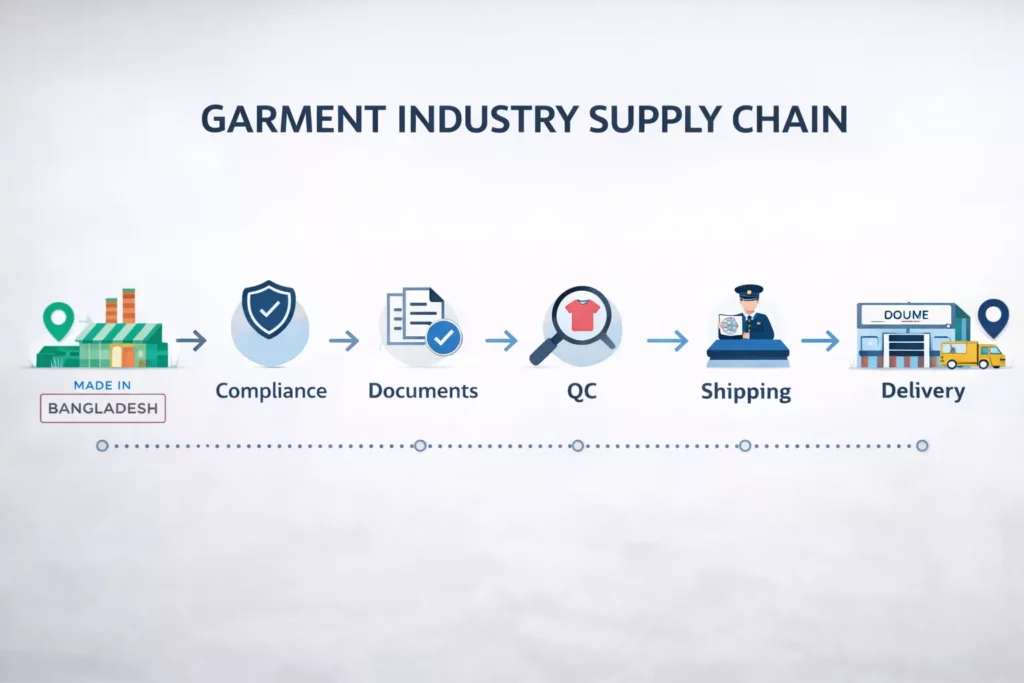
Bangladesh is one of the world’s most important apparel sourcing hubs, especially for knitwear, denim, basics, and large-scale production. But importing garments into Europe is not just about finding a factory and booking a shipment. It is about building a reliable system that connects product compliance, documentation, quality control, logistics, and EU customs processes into one smooth flow.
If any one piece fails, the risk shows up fast: customs holds, relabeling costs, rejected deliveries, retailer penalties, delayed payments, and long-term damage to the buyer supplier relationship.
This guide gives you a practical, real-world process to import clothing from Bangladesh to Europe, whether you are a brand, wholesaler, retailer, or buying house. You will learn what to prepare, what documents matter most, how EU rules affect labeling and chemicals, how to use preferential access where applicable, and how to avoid the most common shipment mistakes.
Global Apparel Trade Between Bangladesh and Europe
Bangladesh is one of the world’s largest apparel exporters, and Europe is one of its most important markets. According to international trade data, the European Union accounts for more than half of Bangladesh’s total garment exports, highlighting the importance of duty-free access to the EU, making it the largest destination for clothing produced in the country.
The global apparel industry produces over 100 billion garments every year, and Bangladesh plays a significant role in supplying international fashion brands with knitwear, denim, and basic apparel categories. Because of this large scale, efficient sourcing systems, reliable compliance practices, and accurate shipment documentation are critical for companies importing garments into Europe.
How to Import Clothing from Bangladesh to Europe
To import from Bangladesh in the garment industry successfully, European buyers need a complete guide that covers export and import rules, eu import regulations, and import duties while taking advantage of duty-free schemes and the generalized system of preferences. Bangladesh has become a top destination for ready-made garments, with garment factories, large production capacity, and a skilled workforce that produce high-quality and high-quality products like denim showcased at the bangladesh denim expo. European buyers prefer bangladesh apparel sourcing because they can import high-quality garments from bangladesh and products from bangladesh at competitive prices or clothing at competitive prices.
Choose reliable suppliers and a trusted sourcing partner such as smart clothing ltd, perform strict quality checks to verify product quality and labor standards, and maintain clear communication to navigate international sourcing and global apparel markets. This comprehensive guide to importing apparel from bangladesh to europe ensures compliant, efficient shipments of made in bangladesh products at competitive prices.
Why Import Clothing from Bangladesh?
Bangladesh is globally known for strong garment manufacturing capacity, competitive production costs, and established export experience. For many European buyers, Bangladesh offers a strong mix of scale and specialization.
Key advantages for European importers
Bangladesh factories often provide:
- High capacity for bulk orders and repeat programs
- Strong capability in knitwear, jersey, fleece, and basic woven products
- Experienced merchandising and export documentation support
- A mature ecosystem of trims, packaging suppliers, and third-party inspection options
- Production models such as CMT, FOB, and full package depending on your sourcing strategy
Preferential market access can support price competitiveness
Bangladesh’s trade relationship with the EU has historically allowed a large share of exports to enter the EU at preferential rates, and EU sources report that a very high share of Bangladesh exports enter duty and quota-free under the EU’s preferential access framework.
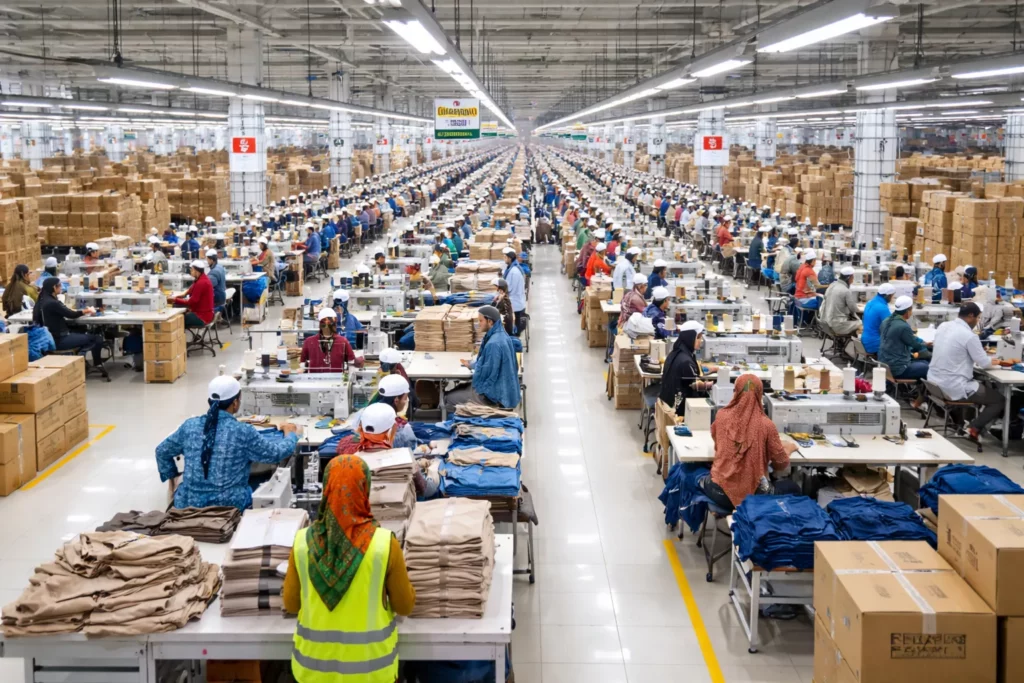
Why European Buyers Prefer Bangladesh for Apparel Sourcing
European buyers prefer Bangladesh because of the reliable pipeline for apparel from bangladesh to europe and the abundant garments from bangladesh that combine scale and value; a complete guide to import duties and eu import regulations shows how suppliers in bangladesh like smart clothing ltd meet compliance while delivering high-quality clothing from bangladesh. The convergence of export and import expertise, a strong reputation for made in bangladesh labels, and products at competitive prices makes bangladesh apparel sourcing attractive for international sourcing teams.
Buyers find a diverse offer from ready-made garments to specialty lines showcased at events like the bangladesh denim expo, proving why european buyers prefer bangladesh for clothing at competitive prices without sacrificing high-quality products. With options for customized products and a clear step-by-step process, this comprehensive guide framework helps companies source confidently and sustainably.
How to Find Reliable Garment Suppliers in Bangladesh
To import from Bangladesh successfully, begin by researching reliable suppliers and certified exporter directories that list garment factories with proven product quality. Prioritize partners who can import high-quality samples and demonstrate robust production capacity, a consistent record of quality checks, and adherence to recognized labor standards. Bangladesh has become a global leader in textiles thanks to a skilled workforce and cost advantages that allow competitive prices while maintaining high-quality output.
Ask for references, factory audits, and certifications to verify ethical practices and inspect samples for fit and durability; look for suppliers able to handle smart clothing and technical finishes as well as basic lines. Leverage duty-free or duty-free access agreements where applicable to lower landed costs.
Choose a sourcing partner with transparent timelines, clear communication, and scalability to fulfill larger orders. Importing products from bangladesh into the global apparel market can succeed when you pair due diligence with visits to manufacturers and ongoing quality checks.
What are the common risks when importing from Bangladesh?
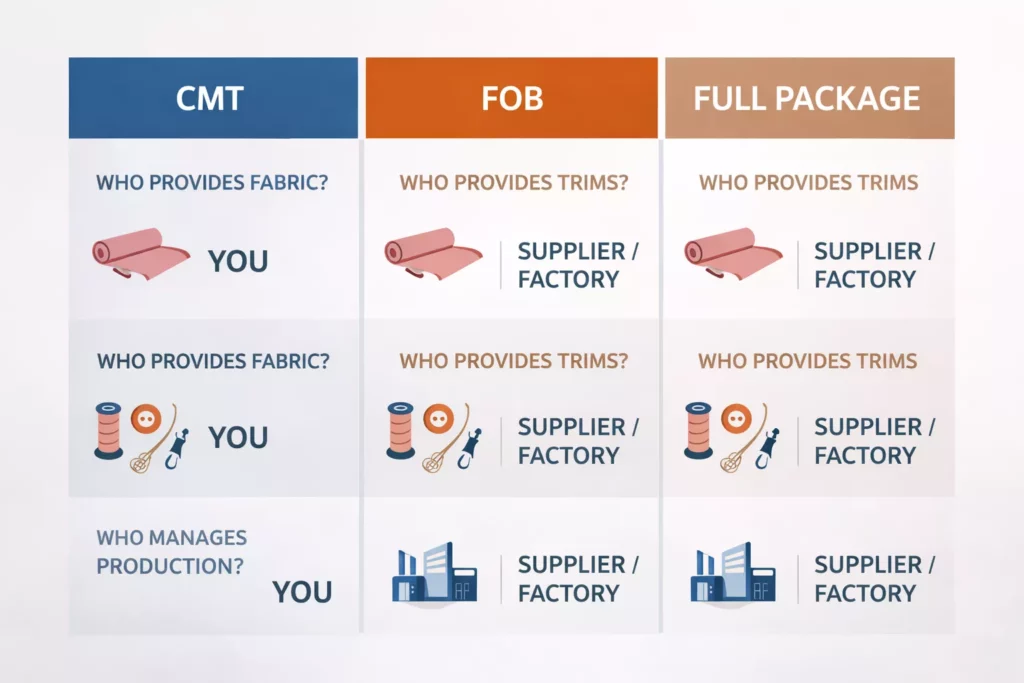
Choose the Right Import Model: CMT, FOB, or Full Package
Your import process will look different depending on who controls sourcing and who owns risk.
CMT manufacturing
You supply fabrics and trims. The factory provides cutting, sewing, finishing, and packing labor. CMT gives you more control, but you carry more responsibility on materials, shade continuity, and timing.
FOB manufacturing
The factory sources fabrics and trims and delivers finished goods based on a single unit price. FOB reduces your sourcing workload but you must manage approvals and ensure the vendor can source the materials to your standard.
Full package manufacturing
The supplier handles product development support, sourcing, production, QC, packing, and often export coordination. This model is easiest operationally for many newer brands, but it requires strong supplier trust and clear specifications.
OEM and ODM Services for Importing from Bangladesh
OEM and ODM services in Bangladesh offer compelling advantages for global businesses seeking reliable apparel and textile sourcing, with manufacturers experienced in scalable production, competitive pricing, and compliance with international standards.
Choosing OEM arrangements enables brands to maintain design control while leveraging local expertise and cost-effective manufacturing, whereas ODM solutions accelerate time-to-market by providing ready-made designs that can be customized; both approaches reduce the complexity of importing and lower upfront development expenses.
Strong supplier relationships, transparent communication, and on-the-ground quality inspections in Bangladesh help mitigate risks associated with logistics, lead times, and regulatory requirements, and partnering with experienced agents simplifies documentation for customs and trade compliance during importing.
Overall, businesses that evaluate factory capabilities, audit social and environmental practices, and choose the right mix of OEM and ODM services can efficiently harness Bangladesh’s manufacturing strengths to scale product offerings and optimize costs when importing.
Prepare Your Business Setup in Europe
Before you place production, make sure your European business structure is ready to import.
EORI and importer identity
Most commercial imports into the EU require the importer to have duty-free access to the EU EORI number, used for customs identification. EU customs guidance around import processes and systems like ICS2 also references the need for economic operators to have EORI registration.
Decide who is the importer of record
Clarify whether the importer of record is:
- Your EU company
- A third-party importer
- A European warehouse partner
- A distributor
This decision impacts:
- VAT handling
- customs declarations
- compliance responsibility
- who receives customs notices and holds
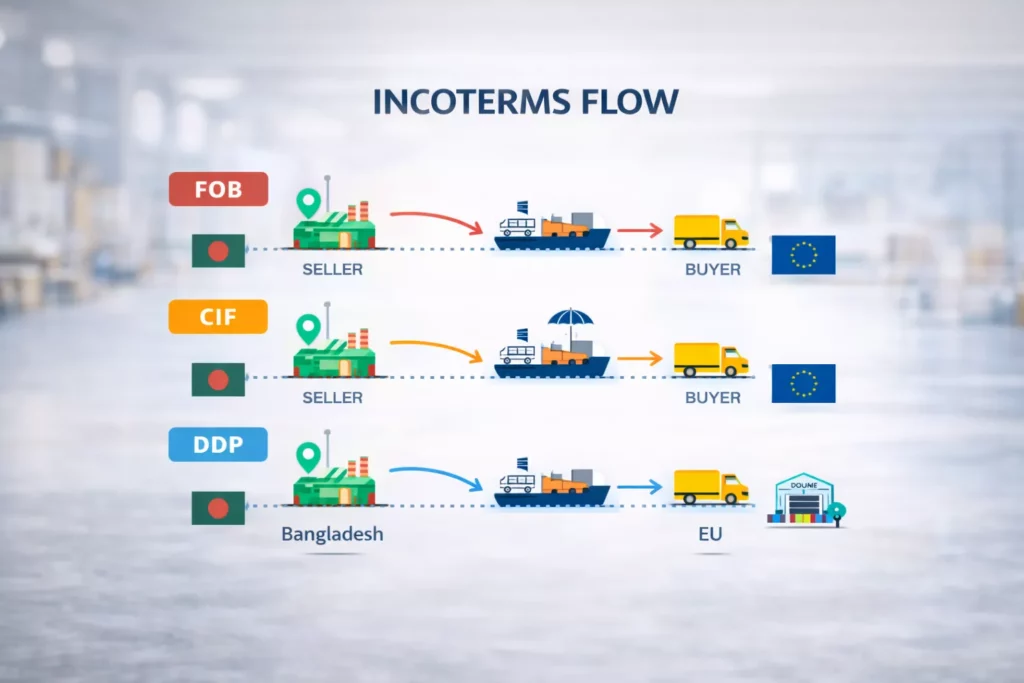
Choose your delivery responsibility using Incoterms
For Bangladesh to Europe apparel shipments, common setups include:
- FOB (buyer manages freight from port)
- CIF (supplier arranges freight but buyer handles import clearance)
- DDP (supplier handles duties and import clearance, higher risk if not experienced)
Many apparel buyers prefer FOB because it gives them control over freight, timelines, and documentation checks.
Product Compliance in Europe: What Your Garments Must Meet
Europe is strict about product safety, labeling accuracy, and restricted substances. If you plan this early, you avoid last-minute relabeling, re-testing, or shipment holds.
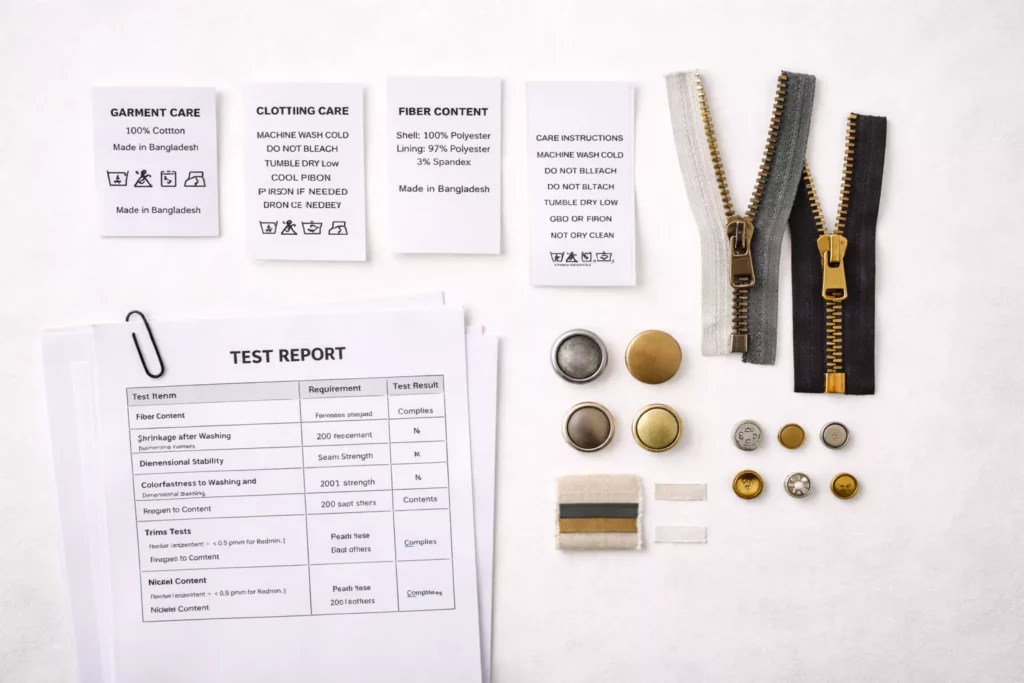
Textile labeling and fiber composition rules
The EU has a specific regulation on textile fibre names and related labelling and marking. This is commonly referenced as Regulation (EU) No 1007/2011.
In practical terms, your garments should have accurate fiber composition labeling using standardized fibre names, and where required, indicate non-textile parts of animal origin.
What to do in your process
- Lock fiber composition early at the development stage
- Ensure care labels, size labels, and fiber labels match the approved BOM for garment industry standards
- Build a label approval workflow with artwork sign-off before bulk production
Chemical compliance and restricted substances
European market access commonly requires compliance with REACH restrictions on certain chemicals used in textiles, trims, and finishes. Buyer requirement guidance for apparel in the EU highlights REACH as a major compliance area and specifically mentions restricted azo dyes, nickel, and other substances.
What to do in your process
- Use a restricted substances list (RSL) aligned with EU expectations
- Test input materials before production when risk is high
- Require trim and fabric suppliers to share compliance declarations
- Pay extra attention to prints, coatings, waterproofing finishes, and metal trims
Preferential Access and Rules of Origin: What Matters for Duty Savings
Many buyers choose Bangladesh partly because of preferential access for eligible exports. EU sources note that a very large share of Bangladesh exports enter the EU duty and quota free under the EU’s preferential arrangement for least developed countries.
Why rules of origin still matter
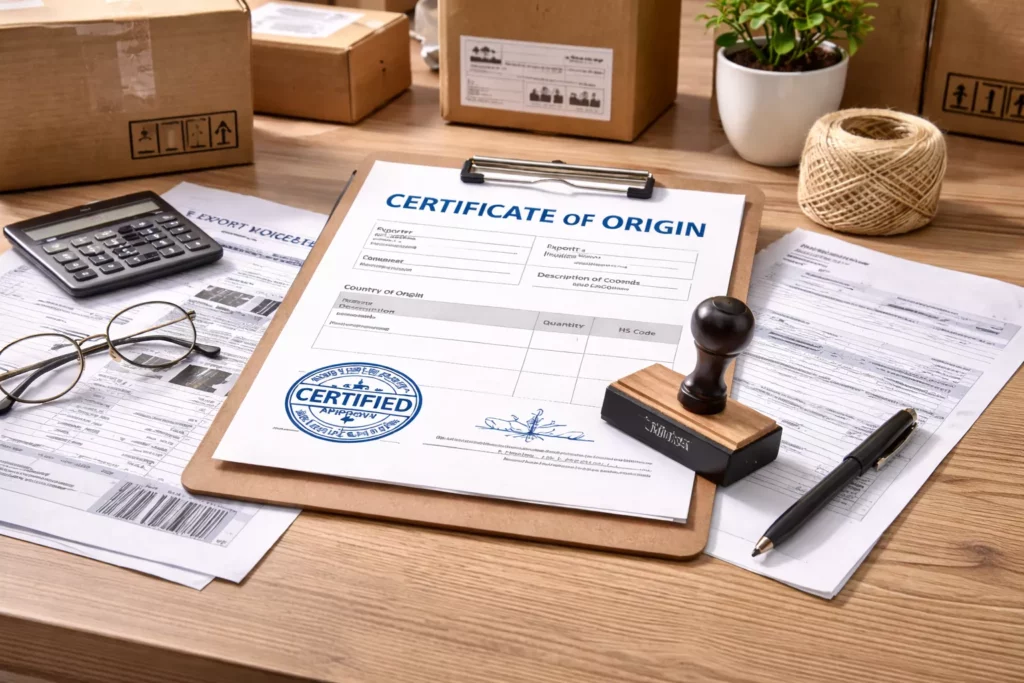
Even if a destination often receives Bangladesh garments at preferential duty rates, you still need the correct origin documentation and compliance with the origin rules applicable to your product category and agreement conditions.
Practical documentation mindset
Treat origin documentation as a system:
- Confirm product HS code early
- Confirm the origin rule for your product type
- Ensure your supplier can provide required origin evidence
- Keep a clean document file for every shipment
The Core Documents You Need for Importing Clothing into Europe
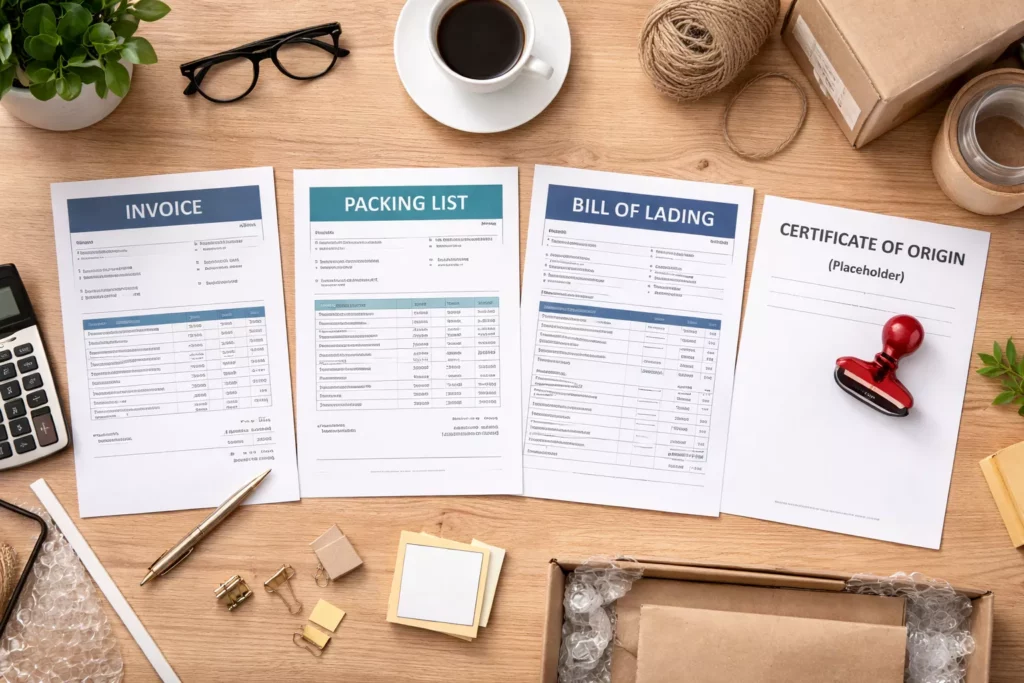
A smooth import depends on document accuracy and consistency. For apparel shipments, the basic document set includes:
Commercial documents
- Commercial invoice
- Packing list
- Purchase order reference and style breakdown
- Shipping instructions and carton marks
Transport documents
- Bill of lading (sea freight) or airway bill (air freight)
- Freight invoice if needed for customs value
Origin and preference documents
- Certificate of origin or origin statement, depending on the scheme and product needs
- Bangladesh export guidance portals and customs trade info references commonly outline the document requirements and procedures for GSP-related origin paperwork.
Compliance and quality documents
- Test reports for chemical compliance if required (REACH-related testing)
- Fabric and trim compliance declarations
- Inspection report (final random inspection)
- Production and packing approval records
Critical consistency rule in the garment industry:
Your invoice, packing list, carton marking, and transport document must align on:
- style number
- quantities
- carton count
- gross and net weight
- buyer and seller names
Mismatches are a common reason for customs delays.
Build a Pre-Production Compliance and Documentation Workflow
If you wait until goods are packed to think about compliance, it becomes expensive. A better approach is to build checkpoints into your production timeline.
A practical workflow that works for most brands
- Confirm labeling requirements per destination country in Europe
- Confirm fiber composition and finalize label artwork
- Confirm trims and finishes against restricted substance expectations
- Approve packaging requirements and carton marking format
- Request supplier declarations and schedule any needed tests
- Create a final document checklist for the shipment file
Quality Control Before Shipment: Non-Negotiable for European Imports
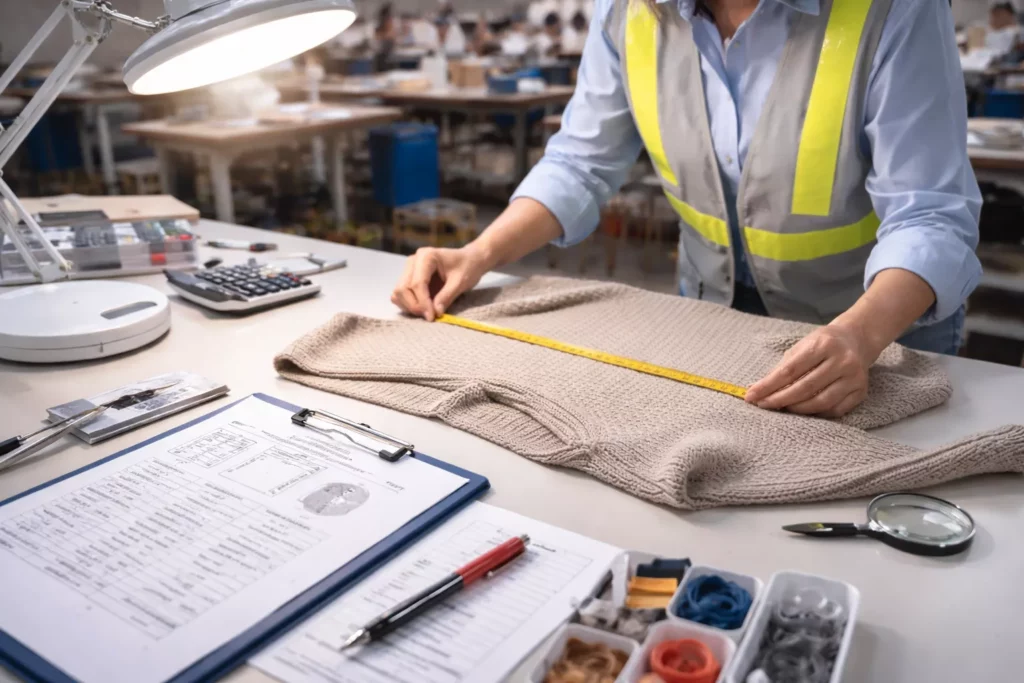
European buyers and retailers often have strict quality standards and chargebacks. You should treat QC as a risk-reduction tool, not just an inspection.
QC checkpoints to include
- Pre-production sample approval (seal sample)
- Inline inspection during sewing
- Measurement control in core sizes
- Final random inspection when goods are packed
- Packaging and carton marking verification
What European buyers care about most
- Measurement accuracy and grading consistency
- Shade consistency within and across cartons
- Label accuracy, including fiber composition
- Clean finishing and no stains
- Barcode and SKU accuracy when selling in retail channels
Packaging and Labeling for Europe: Get This Right Early
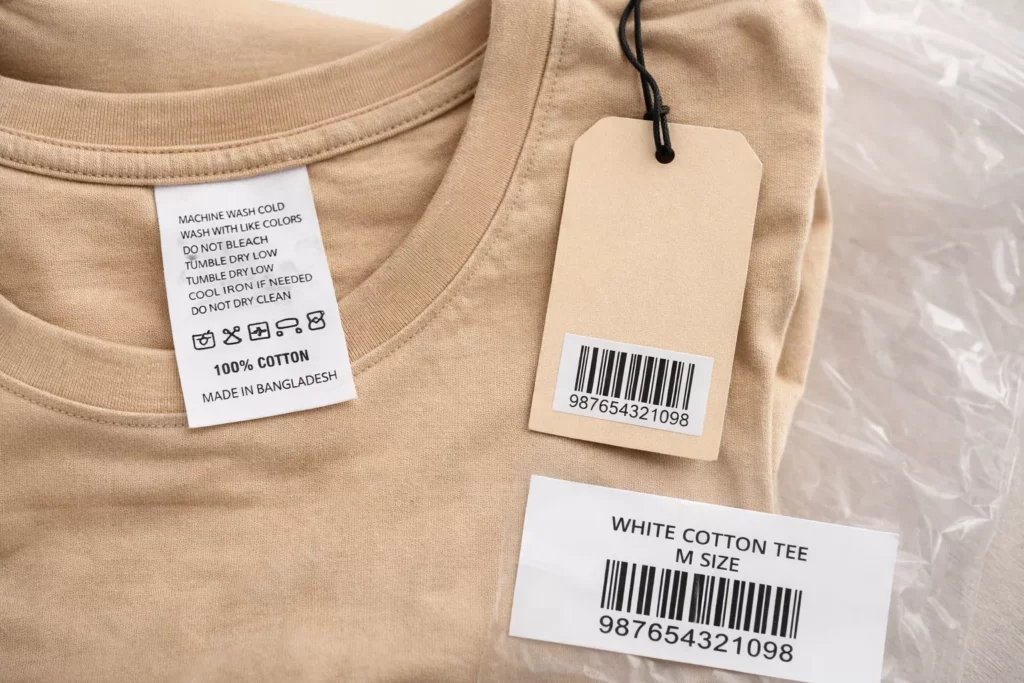
Packaging errors cause costly rework because they often appear after garments are finished.
Packaging details to lock before bulk packing
- Polybag size and thickness
- Barcode label format and scannability
- Size stickers and placement
- Hangtag content (if used)
- Carton assortment ratio by size and color
- Carton markings including country of origin statement when required
Labeling accuracy is a compliance issue
Textile fiber composition labeling rules exist at EU level, and inaccurate labels create both regulatory and customer trust risks.
Shipping Options from Bangladesh to Europe
Your shipping choice should match your product type, seasonality, and cash flow.
Sea freight
Best for: garment industry stakeholders seeking duty-free access to the EU.
- bulk shipments
- stable timelines
- lower cost per piece
Key decisions:
- FCL vs LCL
- port of loading and port of destination
- container booking lead time
- buffer time for customs and delivery
Air freight
Best for:
- urgent replenishment
- seasonal deadlines
- high-value garments or small volumes
Downside:
- significantly higher cost
- tighter documentation deadlines
Combined strategy for brands
Many brands use:
- sea freight for core inventory
- air freight for top sellers or urgent backorders

Comparison Table
Many buyers choose shipping based on delivery urgency, order volume, and cost per piece. The comparison below helps select the most practical option for importing garments from Bangladesh to Europe.
| Shipping Method | Typical Transit Time (Bangladesh to Europe) | Best For |
| Sea Freight | 25–40 days | Large bulk shipments, lower cost per piece, stable planning |
| Air Freight | 3–7 days | Urgent deliveries, seasonal deadlines, high-value or low-volume orders |
| Courier (DHL/FedEx/UPS) | 2–5 days | Samples, small parcels, urgent documents, trim replacements |
Sea freight is the most cost-effective for bulk clothing imports, while air freight and courier are best for speed and urgent timelines.
EU Customs and Security Data: Understand ICS2 Requirements
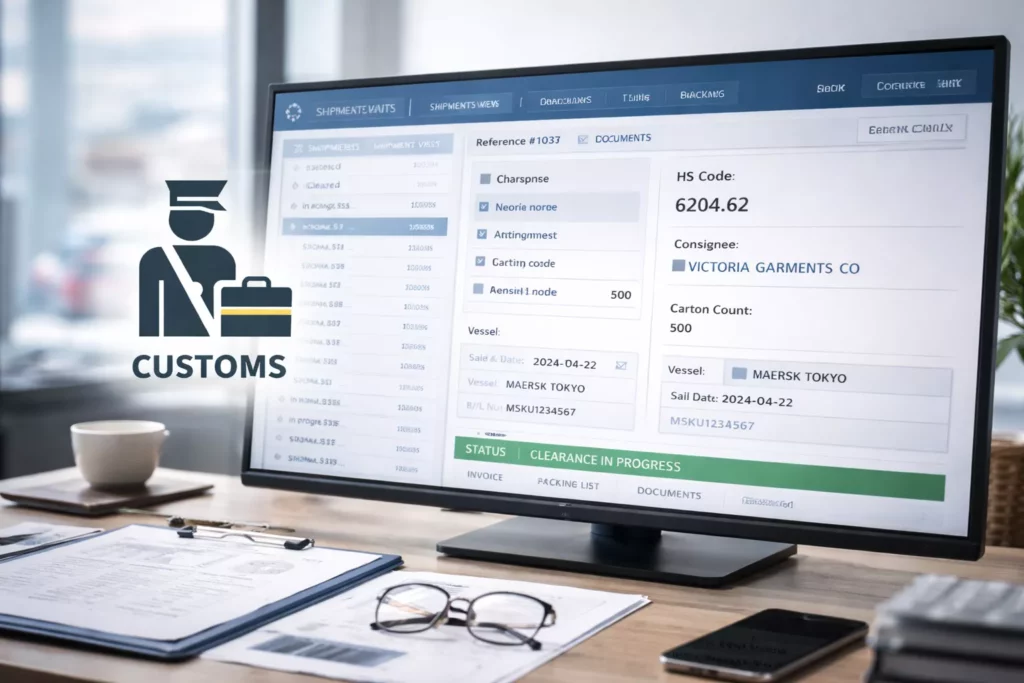
The EU’s Import Control System 2 (ICS2) affects how pre-arrival data is filed for goods entering the EU. EU customs guidance explains that operators must prepare processes and often need identifiers like EORI to connect.
Why this matters to apparel importers
Even if a carrier or forwarder files the data, your shipment still depends on accurate information:
- buyer and seller details
- HS code accuracy
- product description quality
- package counts and weights
- transport document references
Industry updates and guidance around ICS2 phases show ongoing rollout and operational requirements that can impact forwarders and carriers.
Practical action
Ask your freight forwarder:
- who files the ENS data
- what data they need from you and by when
- how they handle amendments if your packing list changes
Cost Breakdown: What You Pay Beyond the Factory Price
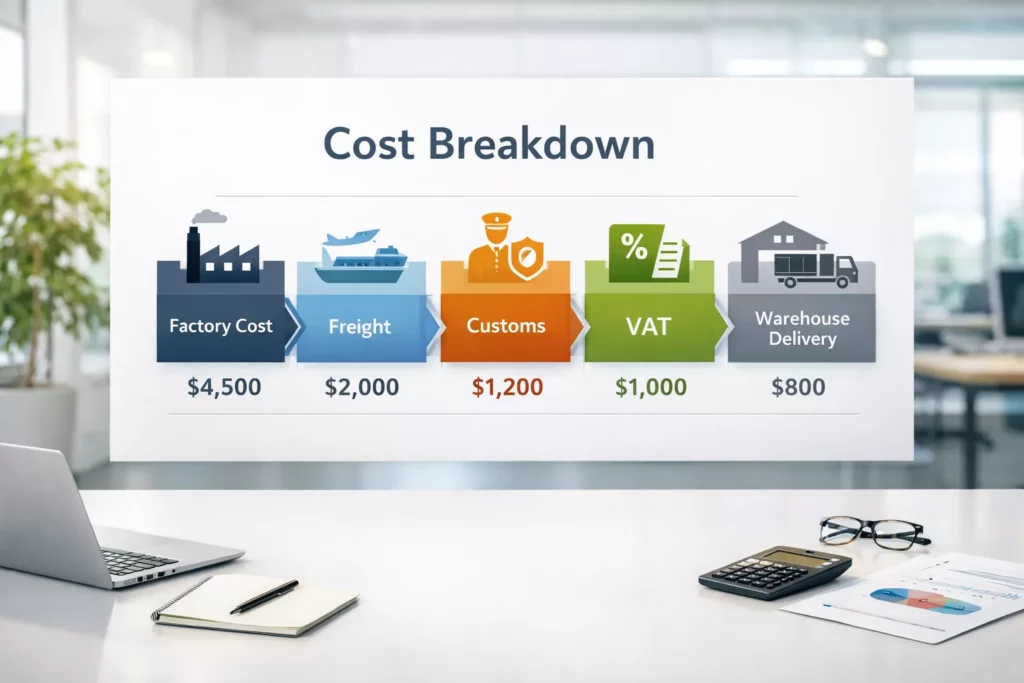
Many importers underestimate total landed cost. A good import plan calculates landed cost before placing the PO.
Typical landed cost components
- Garment unit price (CMT or FOB)
- Sampling and approvals
- Testing costs (when required)
- Third-party inspection fees
- Freight cost (sea or air)
- Insurance (if not included)
- Destination charges at the EU port
- Customs clearance fees
- Duties (where applicable)
- VAT and VAT administration depending on your setup
- Inland trucking to your warehouse
Landed cost discipline
Build a simple landed cost template by style:
- cost per piece ex-factory
- freight per piece
- duty and VAT estimates
- handling fees per piece
This makes pricing decisions faster and reduces surprises.
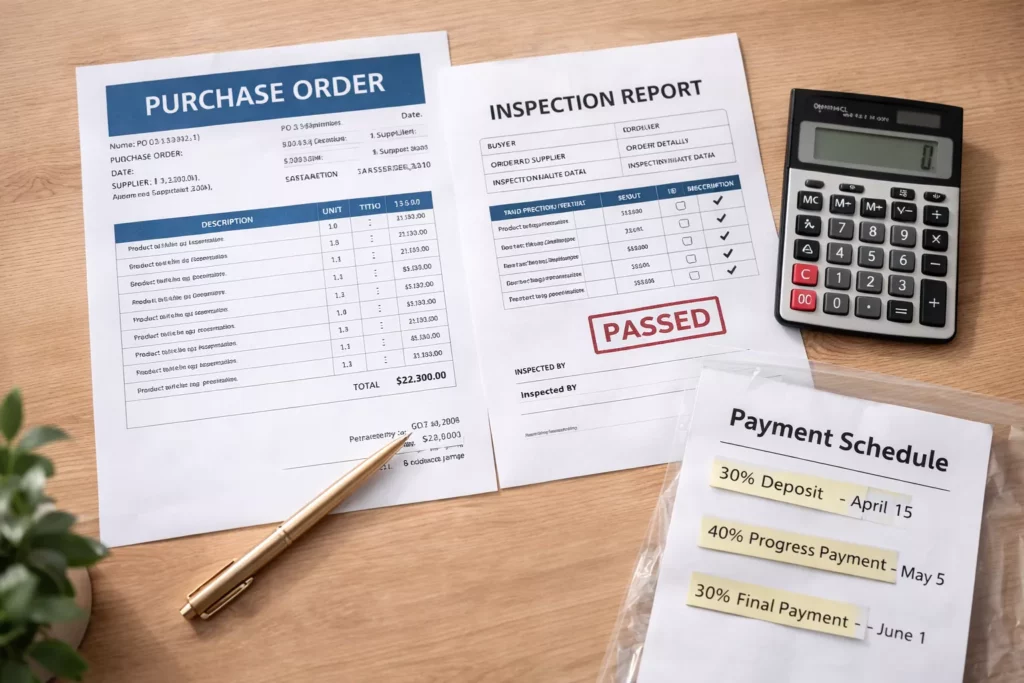
Payments and Risk Control: Protect Both Sides
International apparel sourcing works best when payment terms match production realities.
Common payment methods
- T/T with deposit and balance after inspection or shipment
- Letter of credit for larger, more structured transactions
- Open account only for long-term trusted relationships
Risk controls importers should use
- Clear quality standard and inspection method in the PO
- Final inspection pass as a release condition where possible
- Document verification before shipment release to ensure accuracy in the contents of each package
- Clear agreement on defect classification and rework responsibility
- Production and shipment timeline buffer to avoid forced air freight
A Practical Timeline That Works for Most Bangladesh to Europe Imports
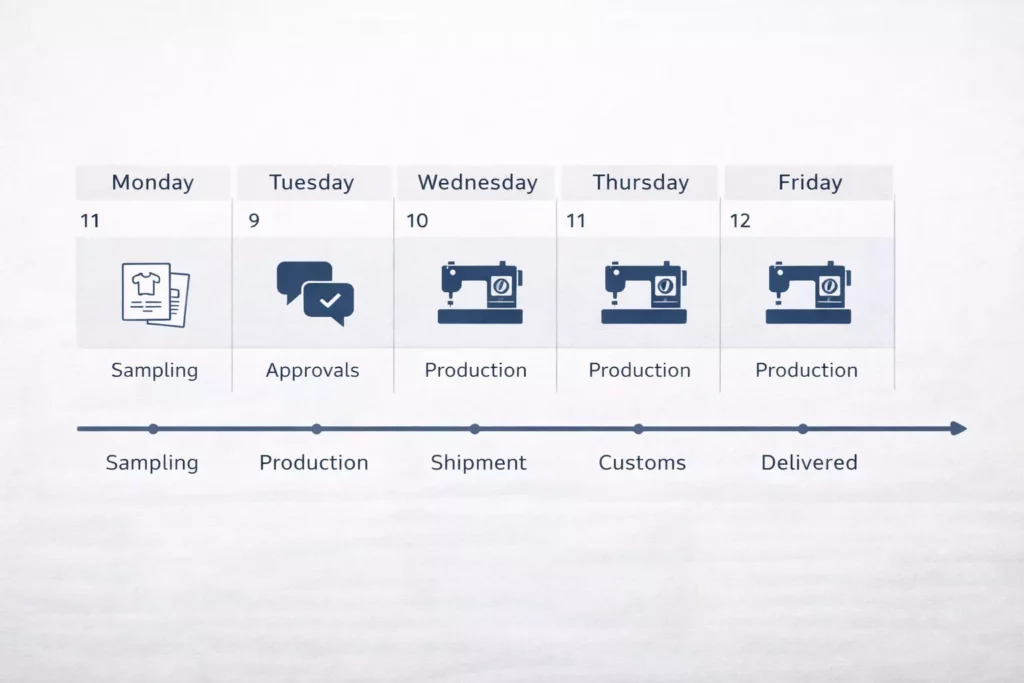
Your timeline depends on complexity, but a structured flow is predictable.
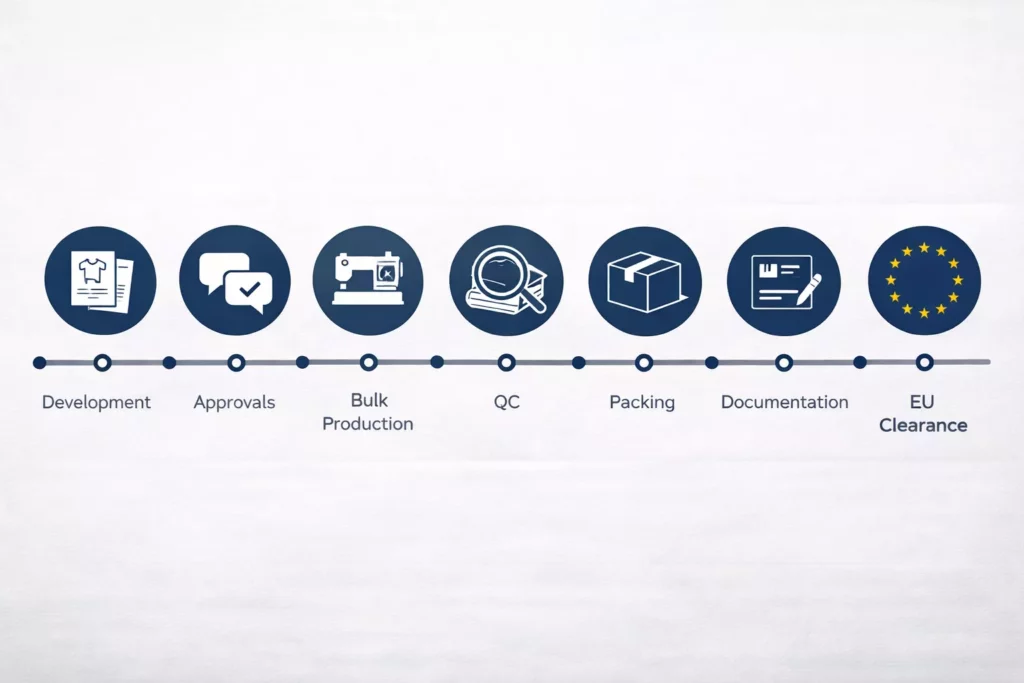
Example timeline logic
- Development and sampling: finalize tech pack, fit, trims
- Bulk material readiness: fabric, trims, labels confirmed
- Bulk production: cutting and sewing
- Finishing and packing: labels, polybags, carton marking
- Final inspection and corrections: rework window
- Shipment booking and document finalization are critical in the garment industry
- EU pre-arrival filing and clearance coordination is essential for the garment industry
- Delivery to warehouse
Where most delays happen
- late fabric approvals or late fabric delivery
- label artwork errors discovered during packing
- shade issues found too late
- packing list changes after data submission
Common Mistakes When Importing Clothing from Bangladesh to Europe
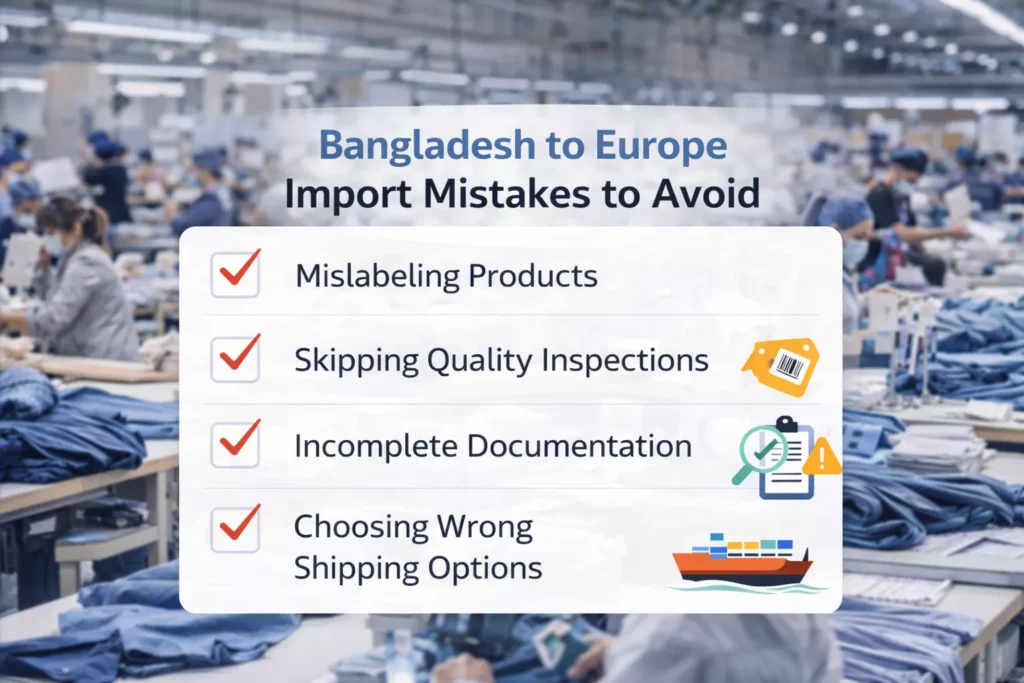
If you avoid these, your import success rate improves immediately.
Frequent mistakes
- Choosing a supplier without verifying product specialization
- Not confirming labeling requirements and fiber composition early
- Sending incomplete tech packs or unclear tolerances
- Skipping final inspection or treating it as optional
- Allowing packing list changes at the last minute
- Using vague product descriptions on documents
- Not aligning carton marking with packing list
- Underestimating lead time for trims and packaging items
- Not preparing for customs and security data requirements
The fix is simple
Use a standard checklist for every order:
- compliance checklist
- QC checklist
- document checklist
- logistics checklist
Repeat the system, not the improvisation.
Import Checklist: Bangladesh to Europe Clothing Shipments
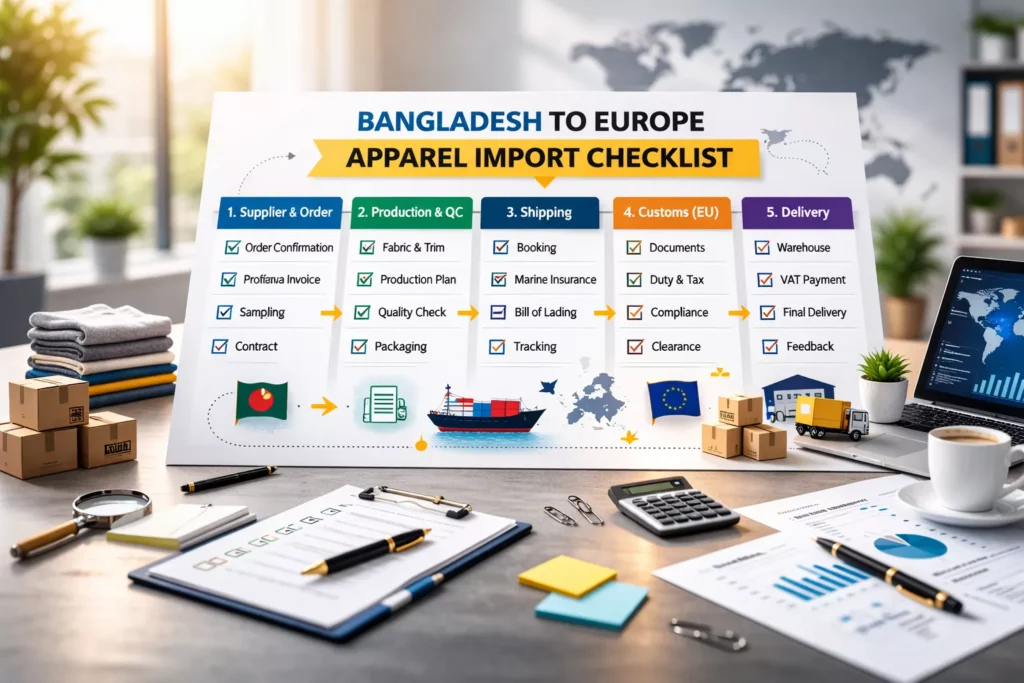
Use this as your internal standard.
Before production
- Confirm product specs, labels, and compliance expectations
- Approve tech pack, size specs, and construction
- Lock fabric and trims plan
- Confirm packaging and carton marking requirements
During production
- Inline QC and measurement monitoring
- Shade control checks and trim verification
- Keep production status aligned with shipment booking
Before shipment
- Final random inspection
- Packing list verification against cartons
- Document consistency check across invoice, packing list, B/L or AWB
- Confirm who files pre-arrival data for EU entry
- Confirm delivery plan to the warehouse
ApparGlobal
Many European buyers reduce import risk by working with manufacturing partners that support structured production planning, consistent quality checkpoints, and export-ready documentation workflows. Companies such as ApparGlobal help apparel brands develop garments with reliable factory coordination, clear compliance readiness, scalable manufacturing execution, and shipment-focused packing standards designed for international buyers.
Key Takeaways
- Bangladesh is one of the largest apparel exporting countries supplying garments to European markets.
- Importing clothing into the EU requires proper documentation, product compliance, and customs preparation.
- European regulations such as textile labeling rules and REACH chemical restrictions must be considered during production.
- Quality control inspections before shipment help reduce returns and retailer chargebacks.
- Choosing the right manufacturing model (CMT, FOB, or full package) affects sourcing control and production responsibilities.
FAQ: Importing Clothing from Bangladesh to Europe
Do you need an EORI number to import clothing into Europe?
Yes, especially regarding duty-free access to the EU. Most businesses importing goods into the European Union must obtain an EORI (Economic Operators Registration and Identification) number. This number allows customs authorities to identify companies involved in import and export activities.
How long does shipping from Bangladesh to Europe take?
Sea freight typically takes 25–40 days depending on the destination port, while air freight can take every stage of production 3–7 days including customs clearance.
What documents are required to import garments into the EU?
Importing garments into the EU requires documents proving duty-free access, supplier contracts with suppliers in bangladesh, product specifications, product samples and certificates to comply with international standards.
A step-by-step process and entire process guidance from experienced sourcing and garment manufacturers ensures successful sourcing, cost savings and cost advantage.
Choose high-quality clothing from bangladesh, consistent product lines, customized products or like smart clothing from factories in the world focused on clothing manufacturing in the garment industry that are environmentally and socially responsible to streamline the process and cover every step of importing.
Conclusion
Importing clothing from Bangladesh to Europe can be highly profitable and scalable when you treat it as a system, not a one-time transaction. The strongest importers align four things early: compliance with garment industry regulations, duty-free access to the EU, accurate documentation, and quality assurance at every stage of production supplier capability, EU compliance, quality control discipline, and document and logistics accuracy. When these are in place, shipments clear faster, quality stays consistent, and buyer supplier relationships grow over time.
If you want, I can also convert this into a one-page SOP format you can hand to your merchandiser or sourcing team so every shipment follows the same process.