

Why Bangladesh is a Global Hub for Sustainable Apparel Manufacturing
If you were choosing where to manufacture your next apparel collection, would you rather pick the country with the lowest price, or the country with the strongest mix of quality systems, scalable capacity, and sustainability progress that global buyers already trust?
For modern clothing brands, Bangladesh is no longer just a “cost-effective” option. It has evolved into one of the most important global hubs for sustainable apparel manufacturing. Today, Bangladesh supports large-scale production, advanced compliance systems, modern factories, and a growing ecosystem of sustainable practices that many global retailers and fashion brands require.
This guide explains why Bangladesh has become a global center for sustainable garment manufacturing, what makes its supply chain unique, what apparel brands should look for in Bangladeshi factories, and how to source responsibly while protecting quality and brand reputation.
Bangladesh’s Role in the Global Apparel Supply Chain
Bangladesh is one of the world’s most significant apparel manufacturing countries. It supplies products across categories like:
- T-shirts, polos, hoodies, and knitwear
- Denim and woven garments
- Jackets, outerwear, and uniforms
- Loungewear, sleepwear, and basics
- Private label collections for international brands
What makes Bangladesh special is not only the volume it produces. It is the maturity of its apparel ecosystem. A country becomes a manufacturing hub when the entire system supports production, including mills, dyeing and washing facilities, trims suppliers, logistics providers, testing labs, and experienced manufacturing talent.
Bangladesh has built that ecosystem over decades and continues upgrading it, especially around sustainability and compliance.
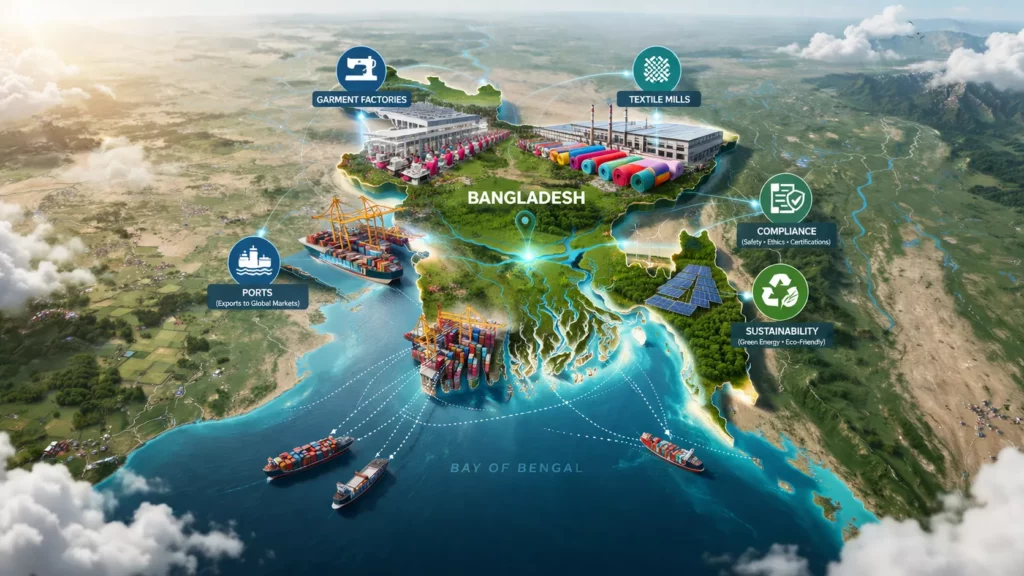
Top Sustainable Apparel Manufacturers in Bangladesh”
- The Bangladesh garment manufacturers and exporters sector is positioned to lead sustainable apparel transformation, with the bgmea and garment manufacturers and exporters association engaging the fashion industry and international partners like the sustainable apparel coalition and international apparel federation. A recent country report and an industry decarbonization roadmap outline how the apparel and textile and textile and garment stakeholders can reduce greenhouse gas and ghg emission through renewable energy, efficiency and responsible manufacturing to help bangladesh to meet its 2030 targets.
Bangladesh faces challenges—but the bangladesh rmg industry and bangladesh’s rmg sector’s greatest asset—the skilled workforce—offer the potential to drive sustainable progress. Initiatives like atti’s pilot countries are bangladesh, cascale and cascale’s higg facility environmental module, the apparel impact institute and fashion industry charter for climate (and the broader industry charter for climate action) aim to align with the industry decarbonization goals so the apparel sector and consumer goods industry can expand market share responsibly by 2024 and beyond. The workforce is both bangladesh’s rmg advantage and crucial for bangladesh to meet sustainable targets. - Bangladesh’s textile industry is showing promising movement toward sustainability as factories are increasingly investing in solar and converting operations, with 240 leed-certified green garment factories and many among the top 100 highest-rated facilities. A comprehensive industry analysis and cascale’s latest country report highlights this progress and potential to drive sustainable progress in the consumer goods sector, urging brands to adopt the un fashion industry charter and meet ambitious environmental targets to reduce emissions by 45 percent.
The ready-made garment sector’s greatest asset – providing employment, skill development, and boosting national exports and the country’s global market share – must balance health and safety, fair labor practices, and corporate responsibility to protect workers. A sustainability vision and macroeconomic and sustainability alignment, as the report highlights, signal readiness to lead a new era; yet bangladesh faces challenges in scaling investment and meeting idr requirements, so factories are increasingly investing toward sustainability to meet consumer demand and secure long-term growth. - Ethical clothing manufacturers in Bangladesh stand at a crossroads, guided by a new renewable energy policy and the national sustainability vision 2030 that accelerate a green energy transition. A new report and a comprehensive report detailing bangladesh’s progress highlight how investment in workers and clean power is an asset – providing the people with resources and providing the people power behind productivity. In 2023 the findings showed that Bangladesh’s rmg sector’s greatest asset is its workforce, the people power behind its competitive supply chains, forming the power behind its competitive advantage.
The report also stresses that brands and factories share the greatest responsibility to protect workers while aligning plans ahead of the general elections for april 2026, ensuring the advantage – and its greatest social and environmental gains endure.
Top Sustainable Apparel Manufacturers in Bangladesh
You can include companies such as:
- ApparGlobal
- DBL Group
- Ha-Meem Group
- Epyllion Group
- BEXIMCO Textiles
- Envoy Textiles
- Fakir Fashion Ltd
- Viyellatex Group
- Square Fashions
- Ananta Group
These companies channel significant resources into developing sustainable production systems, upgrading technologies and processes to minimize waste, conserve water and energy, and lower greenhouse gas emissions while maintaining product quality and profitability.
They maintain rigorous compliance frameworks that align with international standards, local regulations, and transparent reporting practices, ensuring ethical operations, worker safety, and traceability across the supply chain.
Through responsible procurement policies and partnerships with certified suppliers, they prioritize responsible sourcing, favoring materials and vendors that meet environmental, social, and governance criteria and supporting continuous improvement initiatives that benefit communities and ecosystems.
Bangladesh Apparel Industry: Key Facts and Statistics
Bangladesh’s rise as a global apparel manufacturing hub is supported by strong industry data and long-term investments in production infrastructure, sustainability, and workforce development. These numbers help explain why global fashion brands increasingly rely on Bangladesh for responsible apparel production.
One of the Largest Apparel Exporters in the World
Bangladesh is currently the second-largest apparel exporter globally, supplying garments to major international retailers across the United States, Europe, and other global markets. The country’s ready-made garment industry generates around $40–47 billion in annual exports, making it the backbone of the national economy.
The apparel sector accounts for over 80% of Bangladesh’s total export earnings, highlighting its central role in global clothing supply chains.
Millions of Workers Power the Industry
Bangladesh’s garment sector employs approximately 4 million workers, making it one of the largest industrial employers in the world. The workforce includes highly skilled sewing operators, pattern makers, technicians, and production managers who support large-scale apparel manufacturing.
This extensive workforce allows Bangladesh to produce garments at massive scale while maintaining specialized production expertise in categories like knitwear, denim, outerwear, and basics.
Global Leader in Green Garment Factories
Bangladesh also leads the world in environmentally certified garment factories. The country currently hosts over 270 LEED-certified green garment factories, the highest concentration globally.
Among these factories:
- More than 110 facilities are LEED Platinum certified
- Over 130 factories hold LEED Gold certification
- Bangladesh hosts many of the world’s top-rated green garment factories
These factories incorporate advanced sustainability features such as energy-efficient machinery, improved water management systems, natural lighting, and responsible waste handling.
Continuous Growth in Sustainable Manufacturing
The industry continues to expand its sustainability efforts. In 2025 alone, dozens of new factories achieved LEED certification, demonstrating ongoing investment in environmentally responsible manufacturing.
This rapid growth reflects a broader shift in Bangladesh’s apparel industry toward sustainable production practices that align with the expectations of global fashion brands and retailers.
The Shift From “Low Cost” to “Sustainable Manufacturing Hub”
Many people still describe Bangladesh only by cost. But the reality is that global buyer demand has transformed the industry. Major buyers now require:
- Social compliance audits and corrective action programs
- Fire and building safety standards
- Chemical management and restricted substances compliance
- Environmental systems for water and waste management
- Better traceability and transparency
- Sustainable material sourcing support
Bangladesh has responded by modernizing factories, investing in newer technology, building better compliance infrastructure, and adopting sustainability initiatives that make it competitive not only on cost but also on responsible production.
For apparel brands, this means Bangladesh can support both sustainability and scalability, which is a rare combination.
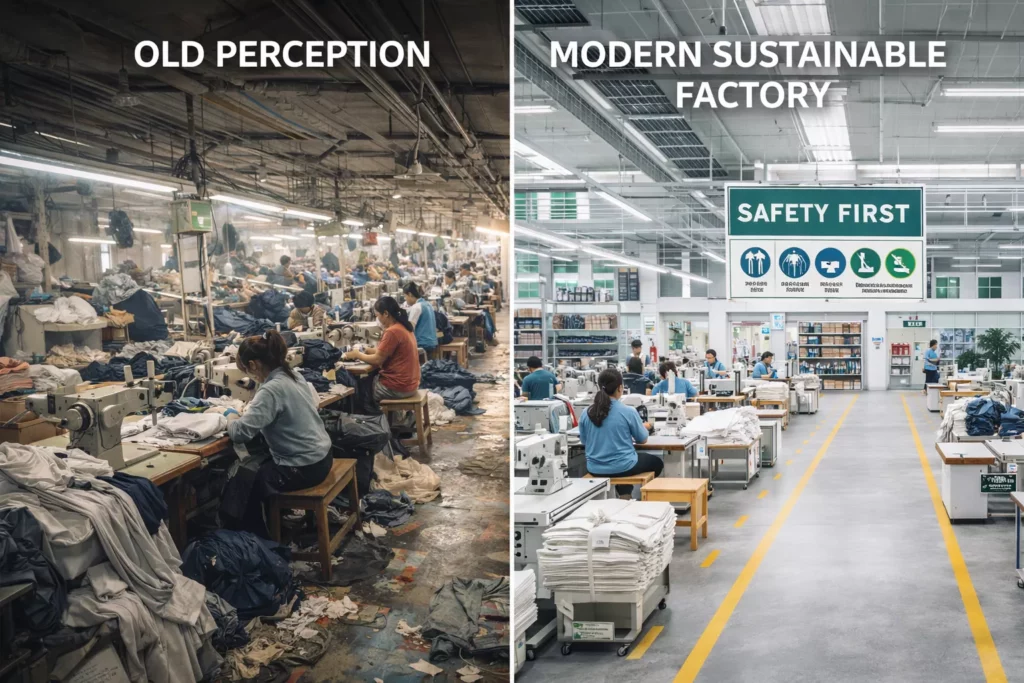
A Strong Ecosystem of Sustainable Garment Factories
One major reason Bangladesh is a hub for sustainable apparel manufacturing is the number of factories investing in sustainability improvements, including:
Energy efficiency and green building improvements
Many factories have upgraded lighting systems, improved boiler efficiency, installed efficient machinery, and used energy monitoring to reduce consumption.
Water stewardship and wastewater treatment focus
Environmental responsibility is heavily connected to water, especially for dyeing, washing, and finishing. Bangladesh has increased adoption of wastewater treatment systems and improved monitoring practices in many facilities.
Waste reduction and recycling practices
Factories are increasingly implementing fabric waste segregation, recycling programs, and process improvements to reduce cutting waste and rework.
Cleaner production systems and chemical management
Chemical management has become a major focus due to buyer requirements. Better storage, safer processes, restricted substances compliance, and worker training are now common requirements for exporters.
Not every factory is the same. But Bangladesh has a deep pool of factories competing to meet global standards, which gives brands more options.
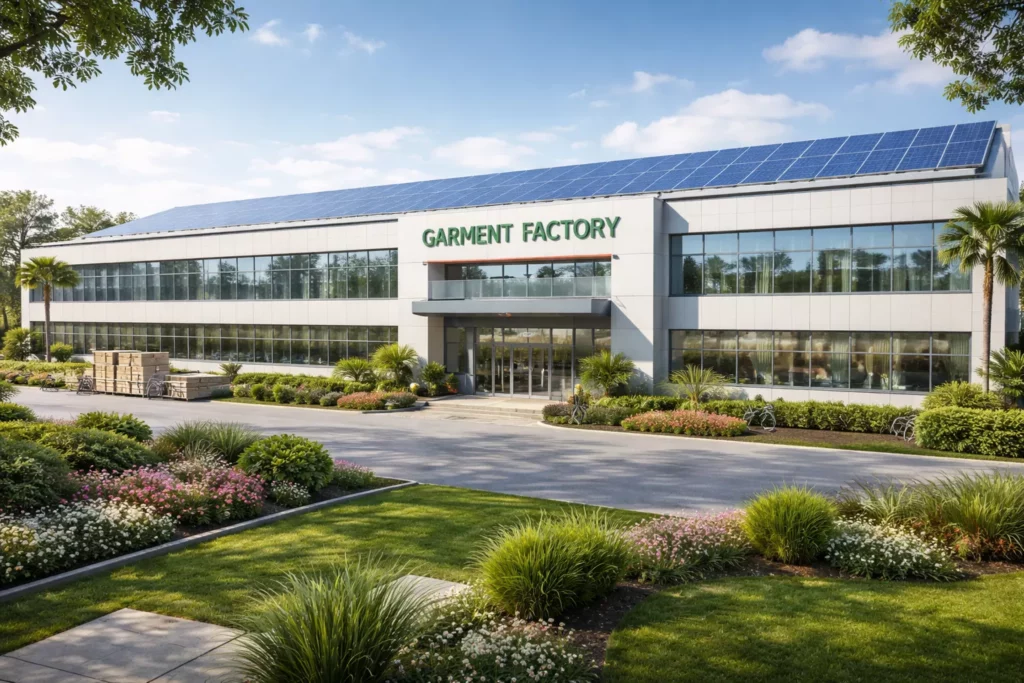
Bangladesh’s Strength in Green Factory Development
Bangladesh has gained global attention for building many green garment factories. Green factories are facilities designed to improve energy efficiency, reduce water waste, and support healthier work environments.
Green factory practices often include:
- Better natural lighting and ventilation
- Energy-efficient machinery and systems
- Improved waste management setup
- Water efficiency initiatives
- Better workplace safety and comfort design
For brands, green factory partnerships often mean improved consistency, stronger compliance readiness, and better documentation. It also supports a stronger sustainability narrative because the production environment is structured and measurable.
Skilled Workforce and Strong Production Capability
Sustainability is not only about machines and buildings. It is also about consistent production execution. Bangladesh has built an experienced workforce specializing in apparel manufacturing, including:
- Skilled sewing operators and line supervisors
- Quality control and inspection teams
- Pattern makers and sample development staff
- Merchandising and production planning professionals
- Compliance and safety teams
This experience matters because it increases consistency. Sustainable manufacturing is difficult if quality is unstable. Poor quality creates returns, rework, and waste. Bangladesh’s garment sector has large-scale experience producing for global brands, which helps improve process discipline and product consistency when working with the right factory.
Competitive Lead Times and Scalable Capacity
Modern clothing brands need speed. But they also need scalability. Bangladesh is strong in both, especially for knitwear and basics.
Brands benefit from:
- Large manufacturing capacity across many factories
- Strong sourcing networks for fabrics and trims
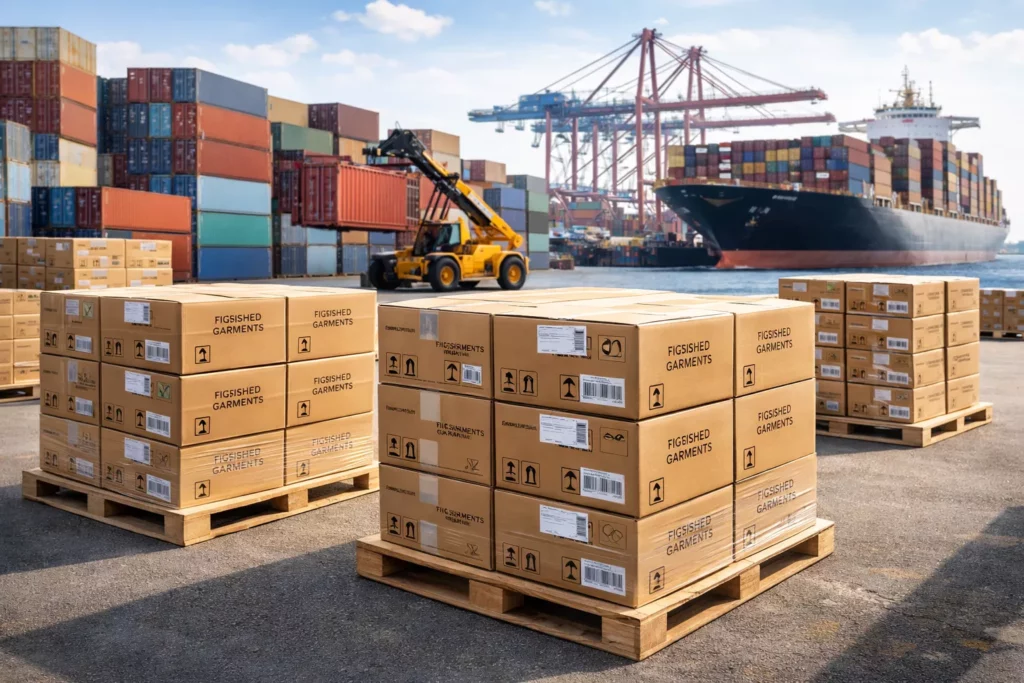
- Mature export processes and logistics support
- Ability to scale production for growing demand
When a country has scale, factories can specialize. Some are best at knit basics. Others specialize in denim. Others focus on outerwear or uniforms. This specialization improves quality and efficiency, which supports sustainability by reducing waste and defects.
Growth in Sustainable Materials and Responsible Sourcing
Bangladesh’s sustainable manufacturing reputation also comes from improving access to sustainable materials.
Many factories and suppliers can now support:
- Organic cotton sourcing with documentation
- Recycled polyester and recycled cotton blends
- Sustainable fabric options like lyocell blends
- Better traceability programs for materials
- Standardized documentation for buyers
For apparel brands, this reduces sourcing complexity. Instead of sourcing all sustainable materials separately, you can work with factories that have sourcing networks and can support both material selection and production documentation.
Stronger Compliance Expectations Driven by Global Buyers
Bangladesh’s industry has been shaped by global buyers demanding higher standards. Brands and retailers often require:
- Social compliance audits
- Fire safety standards
- Worker safety training
- Wage and working hour compliance documentation
- Chemical management programs
- Restricted substances compliance
These expectations have pushed factories to improve systems and documentation.
For apparel brands, this is valuable because compliance systems reduce brand risk. Sustainable and ethical manufacturing is not only about doing good. It is about protecting your brand from supply chain risk.
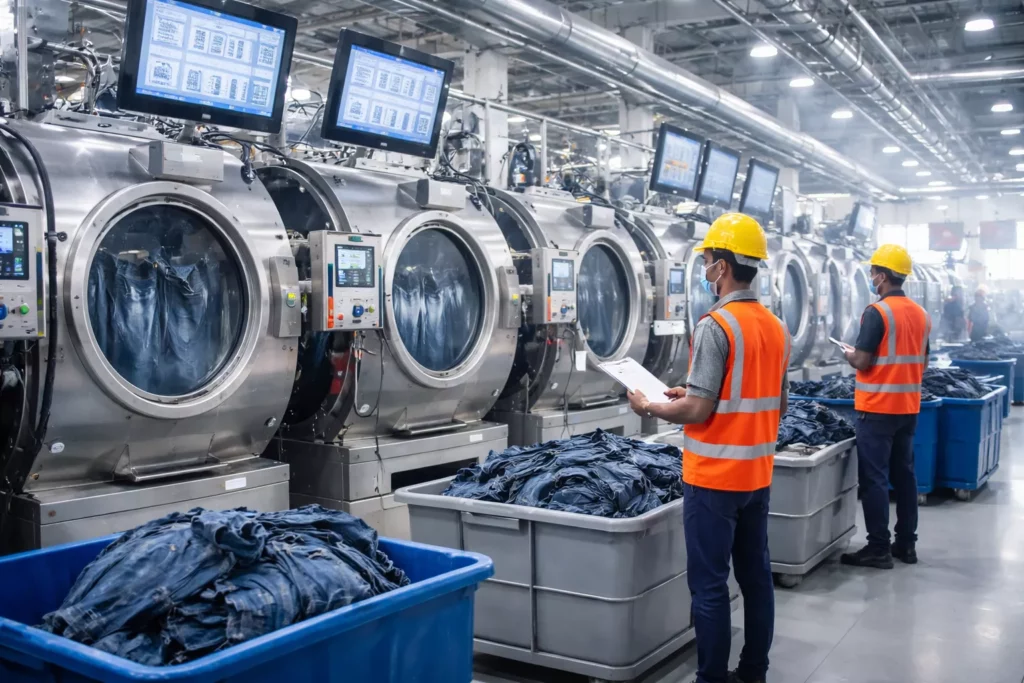
Innovation in Denim and Washing Sustainability
Bangladesh is also strong in denim manufacturing. Denim production is high-impact due to washing and finishing processes, but many manufacturers have adopted more responsible methods, such as:
- Water reduction in washing processes
- Controlled chemical usage
- Improved effluent treatment systems
- More efficient washing machines
- Better process control to reduce rejects
For brands producing denim, Bangladesh can offer advanced capability while maintaining competitive lead times.
Cost Advantage With Better Value, Not Only Low Price
Bangladesh still offers a cost advantage compared to many regions. But for sustainable apparel brands, the more important point is value.
Value includes:
- Competitive pricing
- Scalable production
- Strong quality systems in advanced factories
- Compliance readiness
- Established export expertise
- Access to sustainable material sourcing networks
When you combine these factors, Bangladesh becomes a manufacturing location that supports both profit and responsible growth.
What Apparel Brands Should Look for When Sourcing in Bangladesh
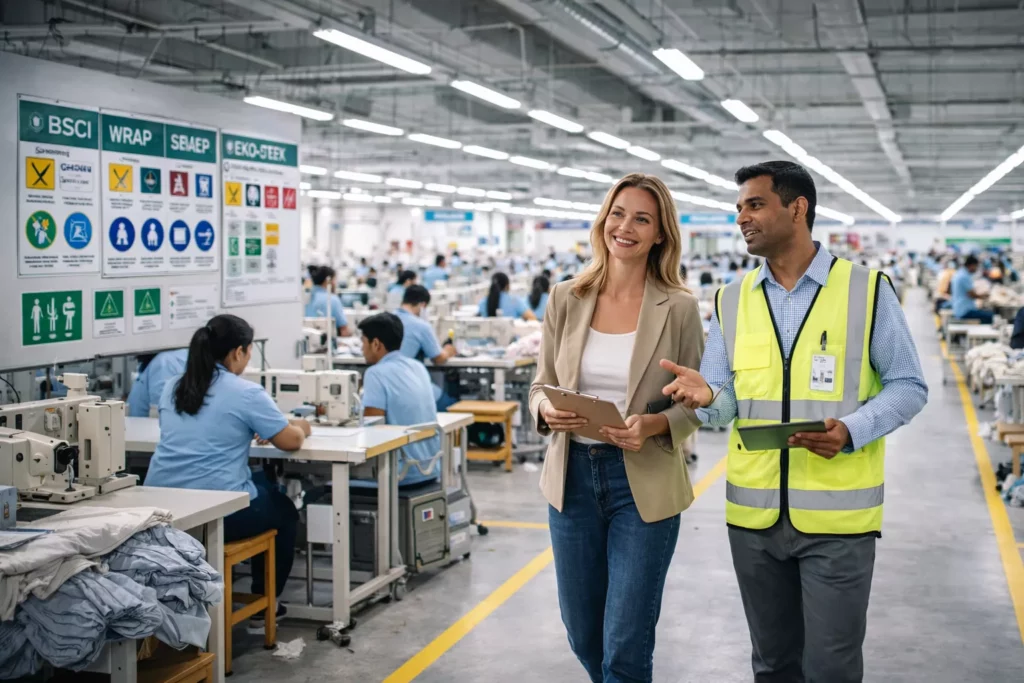
Not every factory is sustainable or compliant. Brands should evaluate factories using clear criteria.
Key areas to evaluate:
Product specialization
Choose factories that specialize in your product category. Knitwear factories may not be strong in outerwear.
Documentation and transparency
Ask for documentation related to materials, compliance, and production processes.
Quality control systems
Look for structured QC: fabric inspection, in-line inspection, final inspection standards.
Environmental management
Ask about wastewater treatment, energy efficiency initiatives, waste management, and chemical handling.
Worker safety and compliance systems
Review safety training practices, emergency systems, and audit readiness.
Communication and project management
Strong merchandising and production updates are critical for overseas manufacturing success.
Choosing the right partner factory matters more than choosing the country.
How Bangladesh Supports Sustainable Fashion Brands and Startups
Bangladesh is not only for huge brands. Many suppliers now support:
- Low MOQ programs for startups
- Full package manufacturing services
- Product development support
- Sampling and pattern development
- Sustainable fabric sourcing for small collections
For startups, this is important because it allows you to test sustainable product lines without massive inventory risk. The key is finding manufacturers that actually support smaller runs professionally, not factories that only pretend to.
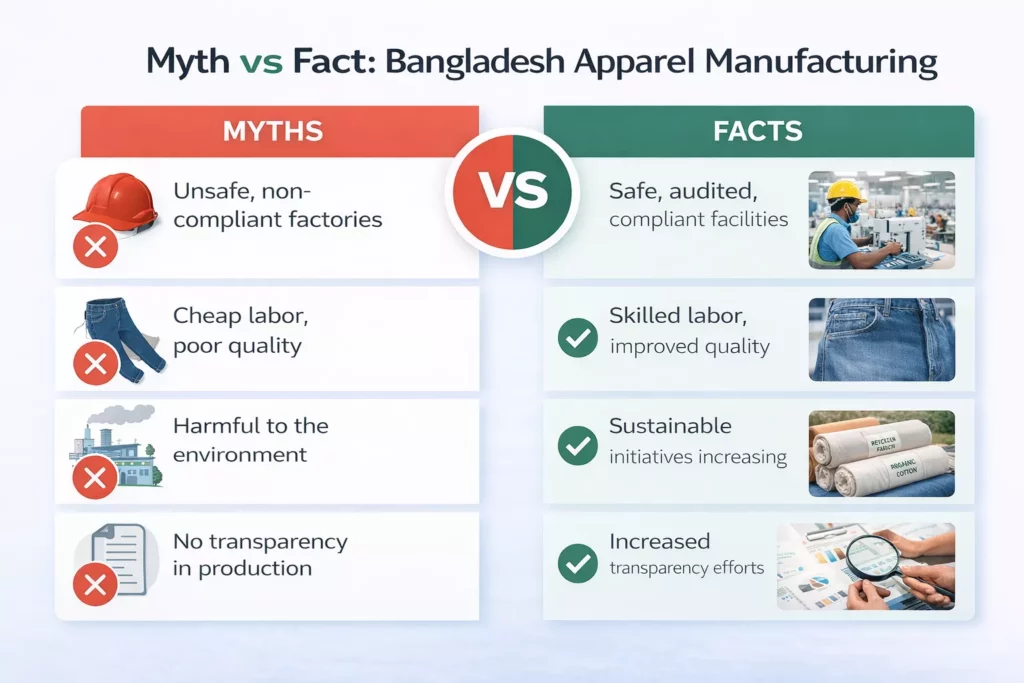
Common Myths About Manufacturing in Bangladesh
Myth: Bangladesh only produces low-quality clothing
Reality: Quality depends on the factory, product category, and QC systems. Bangladesh produces for many global brands with strict quality requirements.
Myth: Sustainable manufacturing is not possible in Bangladesh
Reality: Many factories have upgraded systems, adopted better environmental practices, and improved compliance due to global buyer demands.
Myth: You cannot get transparency from overseas suppliers
Reality: Transparency depends on the manufacturer’s documentation discipline and communication. Many Bangladesh suppliers now provide structured reports and records.
Understanding these myths helps brands approach sourcing with a more realistic and strategic mindset.
How to Manufacture Sustainably in Bangladesh: A Practical Approach for Brands
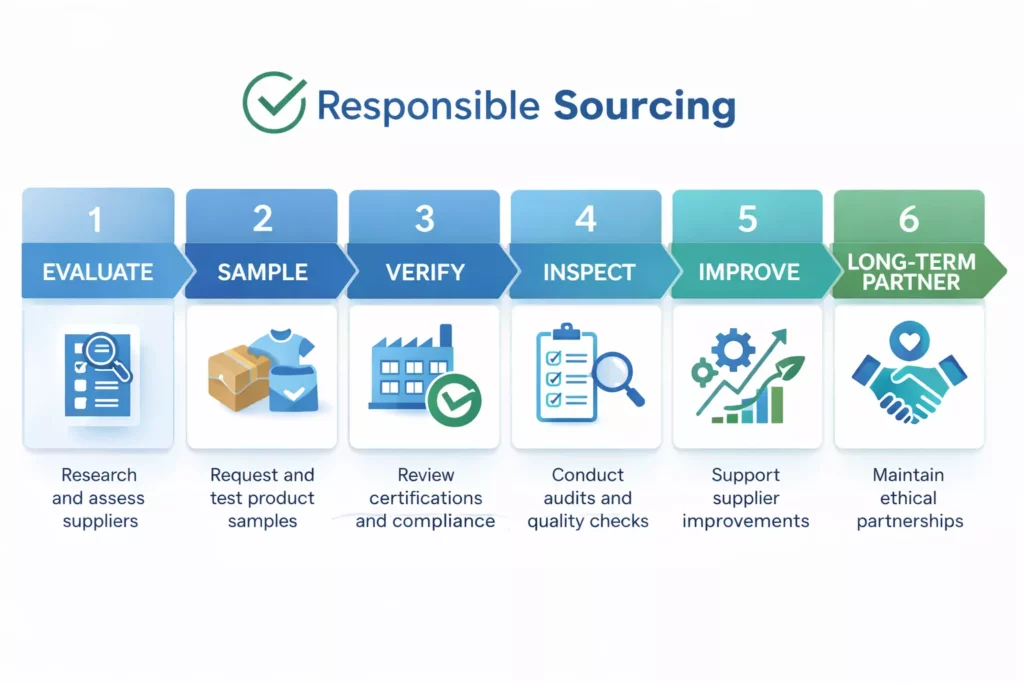
If you want to source responsibly in Bangladesh, use a structured approach.
Choose factories with documented systems
Ask for evidence of environmental systems, audits, and QC processes.
Start with a pilot run
Test a small order first to evaluate communication, quality, and lead times.
Define clear tech packs and approvals
Documentation reduces misunderstandings and prevents bulk mistakes.
Confirm fabric and trim documentation
If using organic or recycled materials, confirm certificates and chain-of-custody documents.
Use third-party inspections if needed
Independent inspections provide unbiased quality reports, especially for first orders.
Build long-term relationships
Factories invest more in brands that plan ahead and commit to long-term collaboration. Sustainability improves when the partnership is stable.
Sustainability Challenges Bangladesh Is Still Working On
To be realistic, Bangladesh is still improving in certain areas. Brands should understand that sustainability progress is ongoing, not perfect.
Key challenges include:
- Ensuring consistent wastewater treatment across all facilities
- Managing chemical compliance consistently across the supply chain
- Reducing energy reliance in some areas and increasing renewable adoption
- Improving waste circularity and recycling infrastructure
- Supporting broader transparency across smaller subcontracting networks
The good news is that competition and buyer requirements continue pushing improvements. Brands can support this progress by choosing responsible manufacturers and encouraging continuous improvement systems.
Sustainable Manufacturing Partners in Bangladesh
As global fashion brands look for reliable and responsible production partners, Bangladesh offers a wide range of manufacturers that support sustainable apparel production. Many modern factories in the country have adopted improved environmental practices, compliance systems, and transparent supply chain processes to meet international buyer expectations.
Companies like ApparGlobal represent the new generation of apparel manufacturing partners in Bangladesh. By combining responsible sourcing practices, structured production management, and scalable manufacturing capabilities, such companies help clothing brands develop collections that align with both quality and sustainability goals.
Sustainable manufacturing partners typically support brands through a range of services, including fabric sourcing, product development, sampling, bulk production, and quality control. With access to sustainable materials such as organic cotton, recycled fabrics, and responsibly sourced textiles, manufacturers in Bangladesh can help brands build more environmentally conscious product lines while maintaining production efficiency.
For growing apparel brands, working with experienced manufacturing partners in Bangladesh can simplify the entire production process. From developing accurate tech packs to managing quality inspections and coordinating export logistics, these partnerships make it easier for brands to bring sustainable products to market while maintaining consistent quality and competitive lead times.
As demand for ethical and sustainable fashion continues to increase, manufacturers that emphasize transparency, responsible production systems, and long-term collaboration are becoming increasingly valuable partners for global clothing brands.
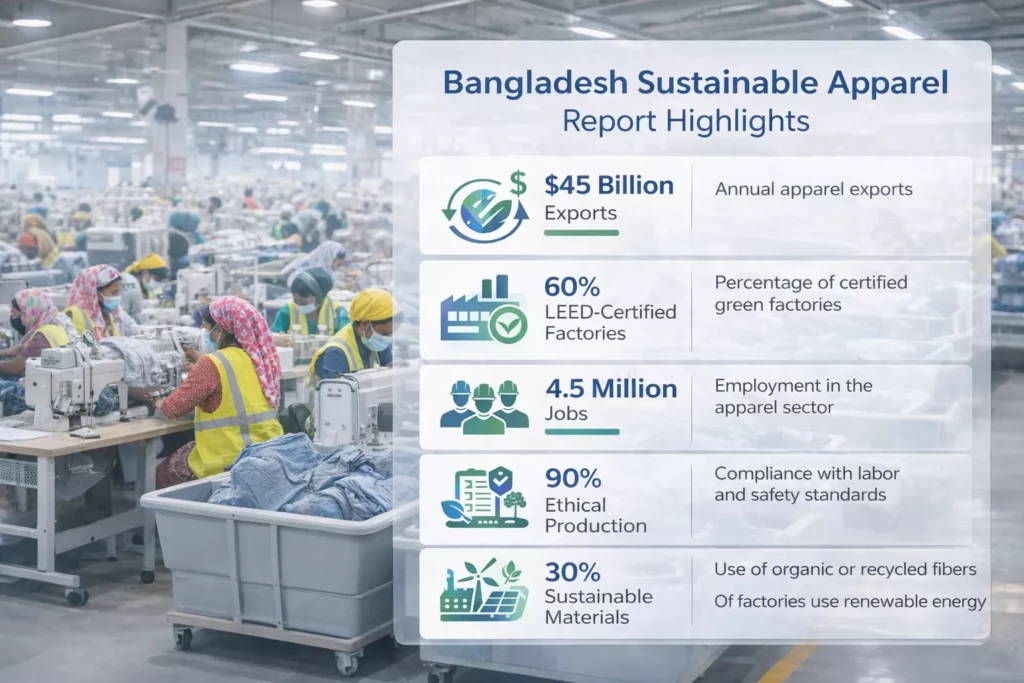
Bangladesh sustainable apparel report highlights
The Bangladesh sustainable apparel report highlights how Bangladesh garment manufacturers and exporters are working to lead sustainable apparel transformation, with the bgmea and the Garment Manufacturers and exporters association collaborating on an industry country report that maps an industry decarbonization roadmap toward 2030. The analysis references the Sustainable Apparel Coalition, Apparel Impact Institute, and apparel and textile stakeholders to quantify emission and greenhouse gas (ghg) reductions while expanding renewable energy use across the textile and garment value chain.
To align with the industry decarbonization targets and the fashion industry commitments like the fashion industry charter for climate and the UN Fashion Industry Charter, the report assesses rmg market dynamics, market share shifts, and how the apparel sector and cascale initiatives can accelerate measurable ghg mitigation across Bangladesh’s export-oriented garment manufacturers and exporters.
Final Thoughts: Bangladesh Is a Sustainable Manufacturing Hub When You Choose the Right Partner
Bangladesh is a global hub for sustainable apparel manufacturing because it combines scale, skilled workforce, improving environmental practices, strong compliance pressure from global buyers, and growing access to sustainable materials. Many factories have modern systems that support transparency, quality control, and responsible production.
For apparel brands, the key is not only choosing Bangladesh. It is choosing the right factory partner in Bangladesh. When you select a manufacturer with strong documentation, quality systems, and sustainability practices, Bangladesh can deliver high-quality garments at scale while supporting your brand’s sustainability goals.